
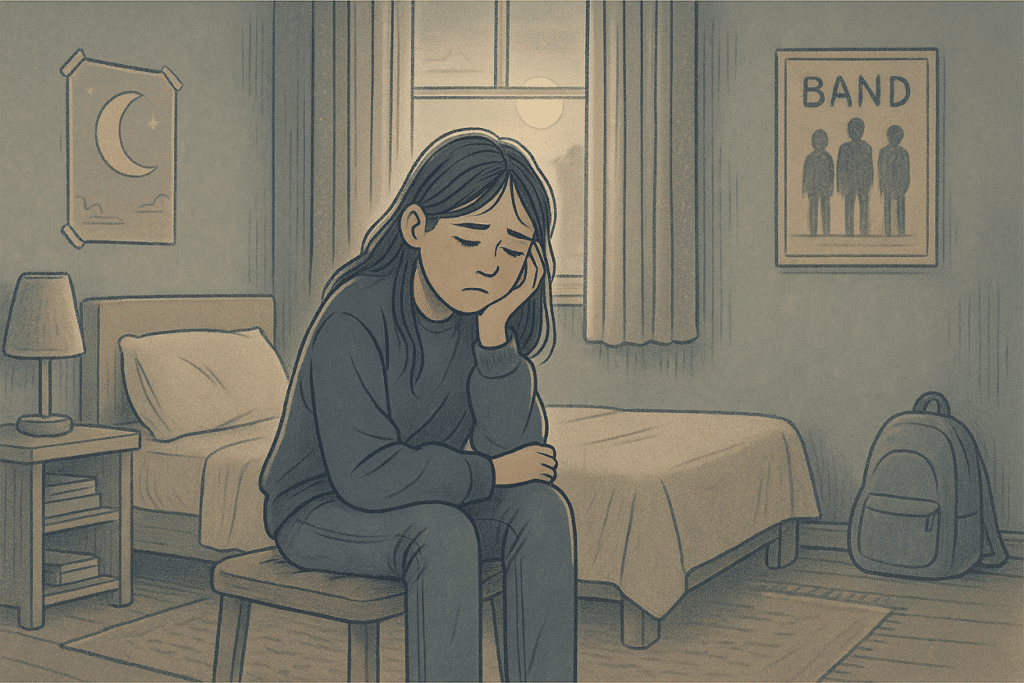
Understanding Teen Depression
Adolescence is a period of major changes. Young people experience physical, emotional and social changes while trying to understand themselves, develop their identity and find their place in the world. Although some mood changes and emotional ups and downs are a normal part of growing up, it is important to recognise when a teenager may be experiencing something more serious.
Depression in adolescence does not always look the way we expect. It is not simply feeling sad or having a difficult day. It can affect a young person’s mood, sleep, motivation, relationships, school attendance and interest in activities they once enjoyed. Understanding the possible warning signs and the factors that influence a teenager’s emotional well-being is important for providing the right support.
Recognising the warning signs
Teenagers experiencing depression may show several changes in their everyday behaviour. These can include persistent sadness, irritability, sleeping difficulties, low energy and losing interest in activities they previously enjoyed.
Some young people may struggle to fall asleep at night and find it difficult to get up in the morning. Others may begin withdrawing from friends and family, lose motivation at school or frequently miss lessons without a clear explanation. Sometimes, emotional difficulties can also appear through behaviours that adults may interpret as rebelliousness or defiance. Leaving home without permission, becoming increasingly withdrawn or avoiding school may be signs that a teenager is struggling emotionally and needs help. It is important to remember that these behaviours do not automatically mean that a young person has depression or a behavioural disorder. Similar symptoms can have different causes, and a proper assessment by a qualified mental health professional is necessary before reaching any conclusions.
Risk factors and protective factors
There are several factors that may increase a young person’s vulnerability to depression. These include family conflict, childhood trauma, neglect, abuse, financial difficulties, the loss of a parent and a family history of depression. Ongoing disagreements between parents can also affect children, particularly when they feel caught in the middle or are drawn into conflicts that should remain between adults. This can create feelings of insecurity, stress and emotional pressure.
However, it is equally important to recognise the factors that can protect young people. A caring and supportive family, positive friendships, healthy communication and clear but reasonable boundaries can make a significant difference. Parents who take an interest in their children’s lives, listen without immediately judging and remain involved in their social experiences can help create a sense of safety and belonging. Positive relationships with peers are also important. Having friends who offer understanding, acceptance and encouragement can help teenagers cope with difficult experiences and feel less alone.
This reminds us that even when a young person has certain individual or biological vulnerabilities, a positive social environment can help reduce the impact of risk factors.
How can parents and teachers help?
Supporting a teenager who may be experiencing emotional difficulties requires patience, understanding and cooperation between the family and the school. For parents, it is important to pay attention to changes in behaviour rather than dismissing them as simply a difficult stage of adolescence. Listening, showing genuine interest and creating opportunities for honest conversations can help teenagers feel comfortable expressing their emotions.
Teachers also have an important role. Changes in attendance, academic performance, classroom participation, friendships or general behaviour may sometimes be early signs that a student is struggling. A school environment where students feel accepted, respected and supported can make a real difference. Young people need to know that asking for help is not a sign of weakness and that there are trusted adults who are willing to listen. When concerns persist, communication between parents, teachers and appropriate mental health professionals is essential. Early recognition and professional support can help prevent difficulties from becoming more severe.
Every teenager needs to feel understood
Perhaps the most important thing to remember is that difficult behaviour does not always tell the whole story. Behind a teenager’s withdrawal, lack of motivation, frequent absences or emotional outbursts, there may be feelings and struggles that they do not know how to express. Instead of immediately focusing on correcting the behaviour, we should also ask ourselves what might be causing it. A supportive family, positive friendships and a caring school environment cannot prevent every mental health difficulty, but they can provide young people with protection and the confidence to seek help when they need it.
At EISB, we believe that supporting students means looking beyond academic achievement. It also means recognising their emotional needs, listening to their concerns and creating an environment where every young person feels safe, valued and understood.

