
Fine Motor vs. Gross Motor Skills: Why It’s Important to Support Both
In early childhood, movement plays a vital role in how children learn and grow. Two key areas of physical development—fine motor skills and gross motor skills—work together to support a child’s independence, confidence, and readiness for school.
Fine motor skills involve small, precise movements of the hands and fingers. These skills are essential for everyday tasks such as dressing, feeding, and early writing. Gross motor skills, on the other hand, involve larger movements using the whole body, helping children develop balance, coordination, and strength.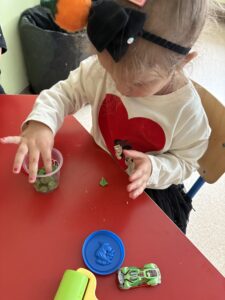
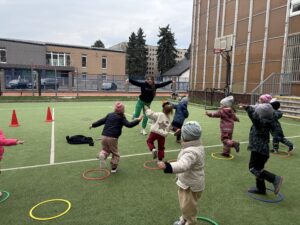
Supporting both areas is important because they are closely connected. As children build strength and stability through gross motor development, they gain better control over smaller, more precise movements. At the same time, fine motor skills allow them to interact more effectively with their environment, boosting confidence and encouraging independence.

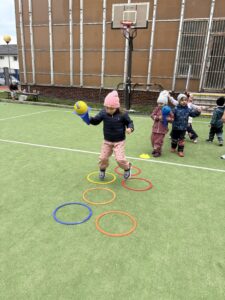
When children have opportunities to develop both types of skills, they are better prepared for classroom activities, social play, and daily routines. They are more confident in their abilities and more willing to try new challenges.
By nurturing both fine and gross motor development, we help lay a strong foundation for lifelong learning and overall well-being.