The Importance of Story Sequencing and Retelling in Early Learning
The Importance of Story Sequencing and Retelling in Early Learning
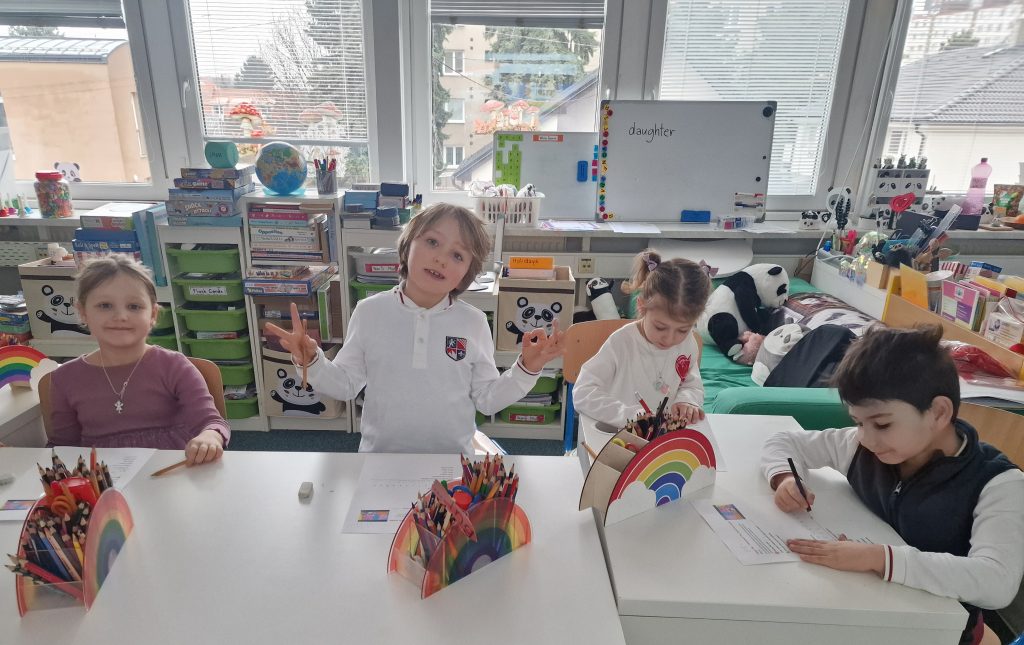
Stories are an essential part of our learning. They help children develop language, reading, and thinking skills in a natural and engaging way.
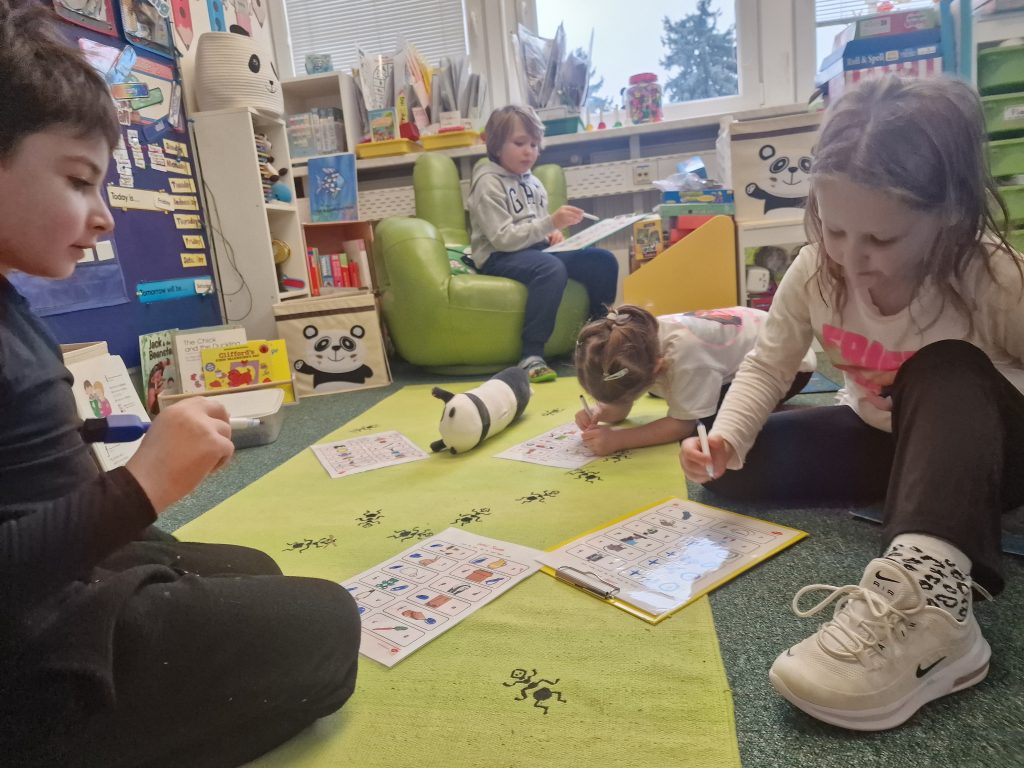
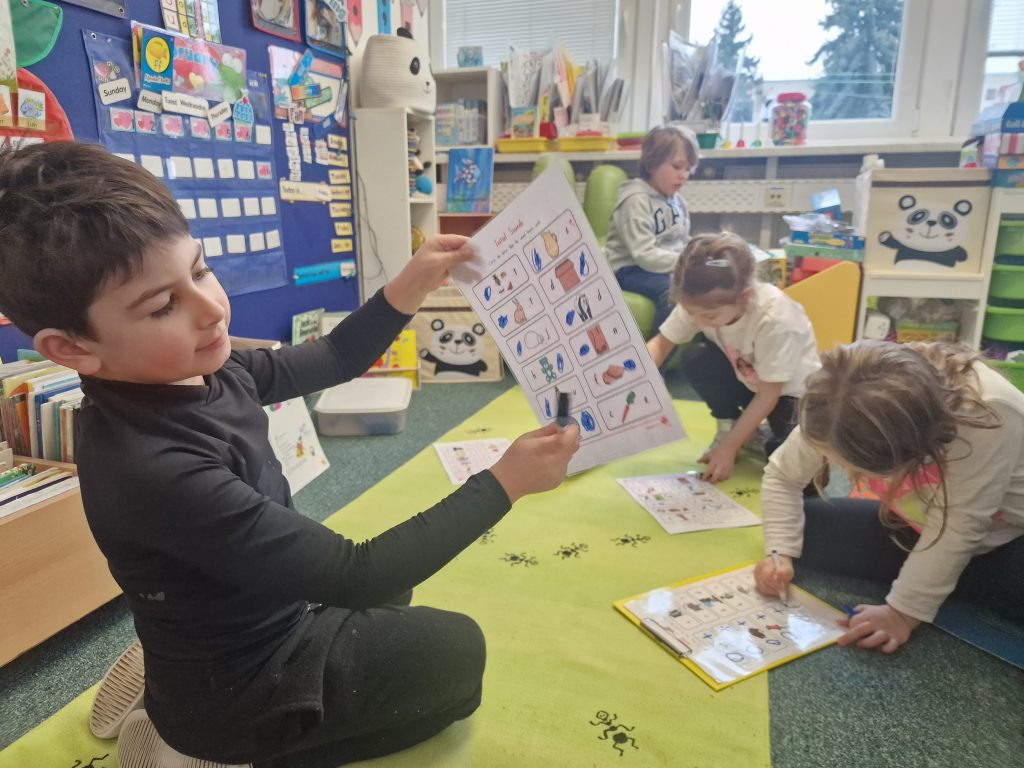
While working with stories, we also focus on alphabet letter sounds. Children listen for beginning, middle, and ending sounds in words from the story and connect these sounds to the correct letters. Recognizing and identifying letter sounds is a key foundation for reading. It supports decoding, spelling, and overall reading confidence.
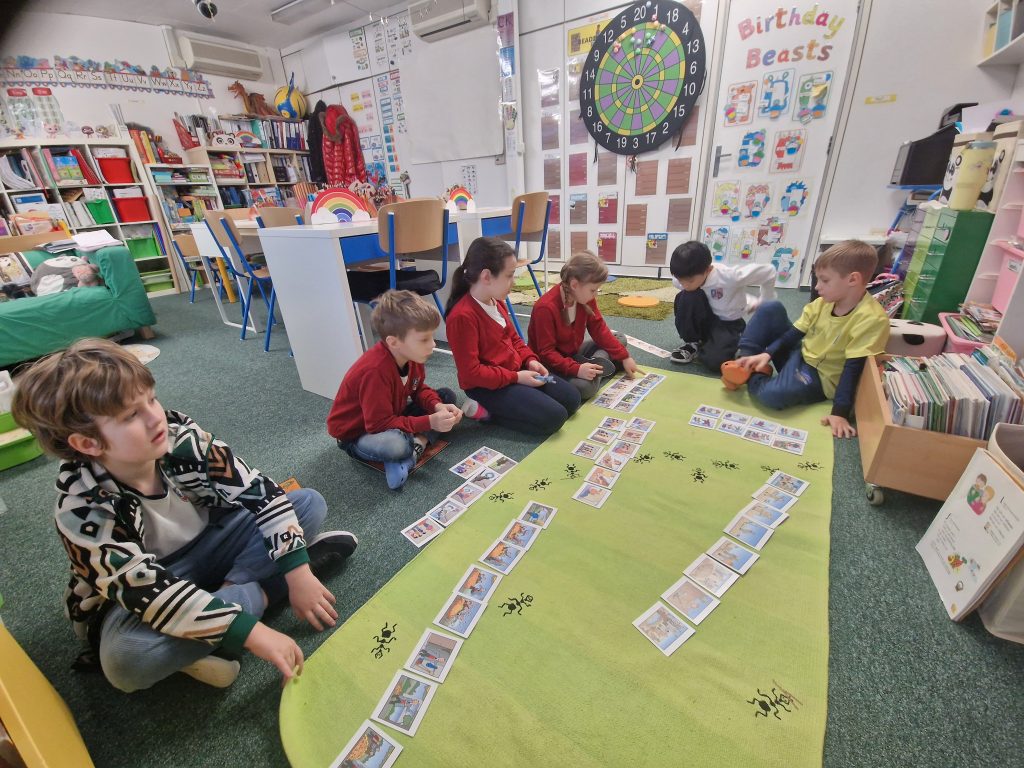
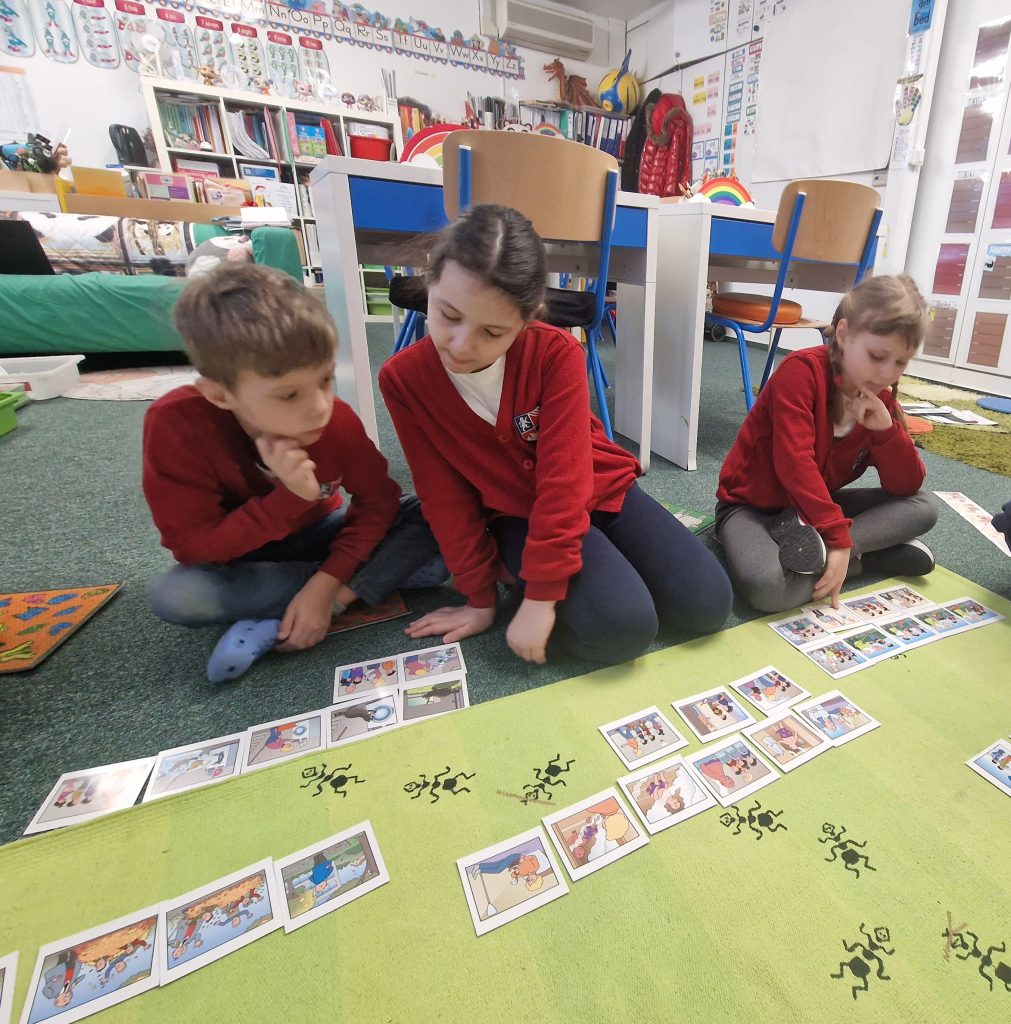
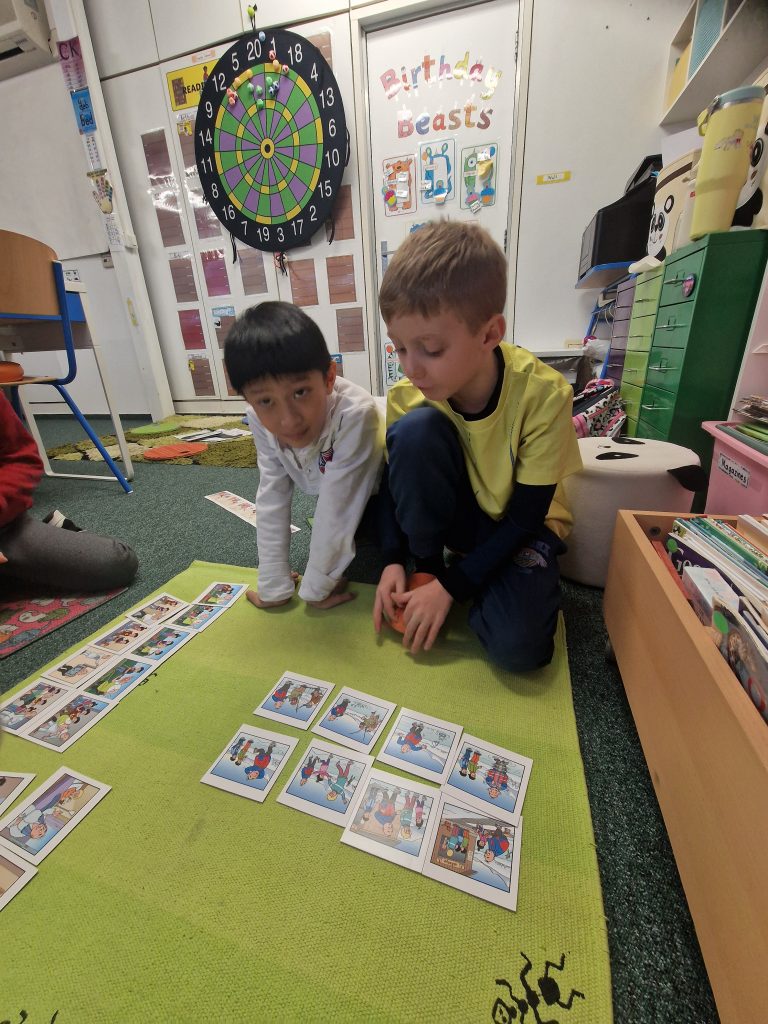
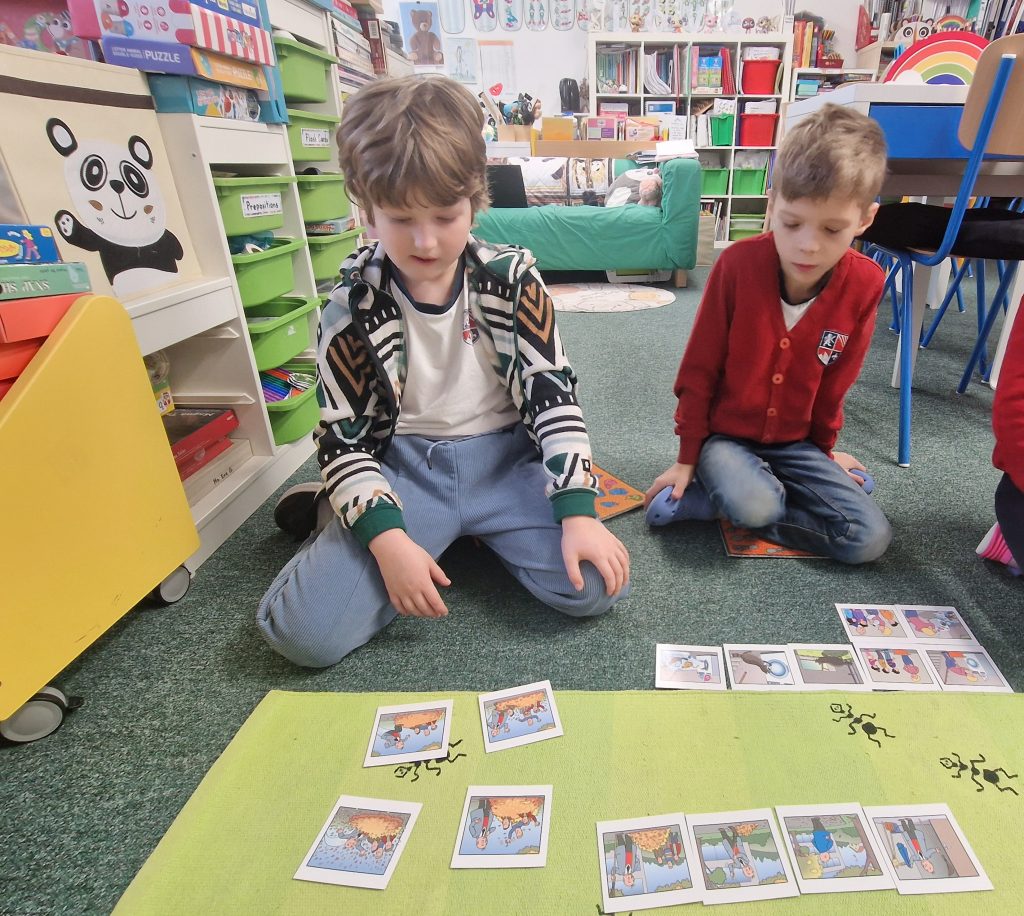
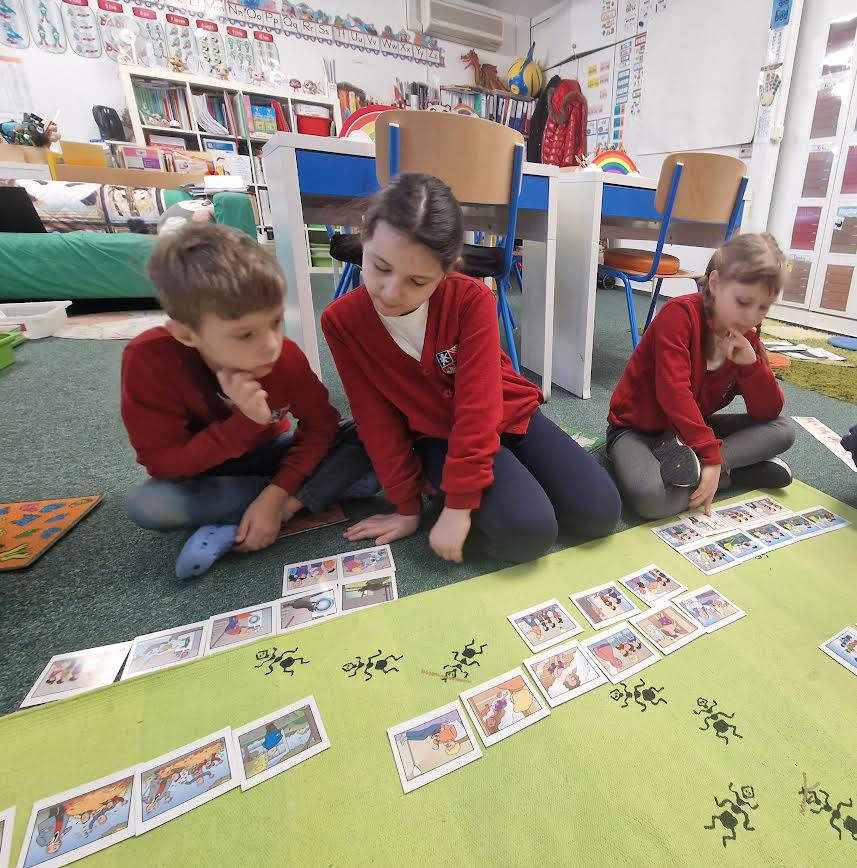
When children sequence pictures from a story, they learn that every story has a clear beginning, middle, and end. This builds logical thinking and helps them understand how events are connected. It also supports their writing, as they learn how to organize ideas clearly.
Telling a story according to pictures encourages children to speak in full sentences. The visual support gives them confidence and helps them practice new vocabulary in meaningful contexts.
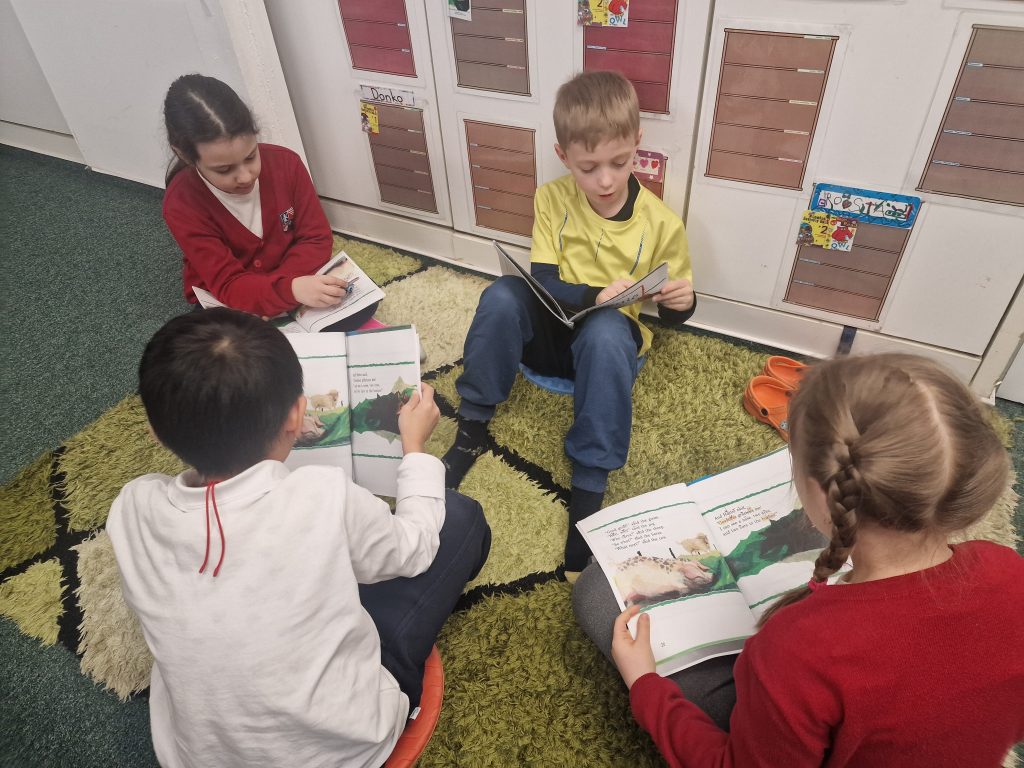
Retelling a story they have watched or read strengthens comprehension. Children recall important details, identify key events, and summarize what happened. We also ask questions to deepen understanding and encourage children to think, explain their ideas, and make connections.
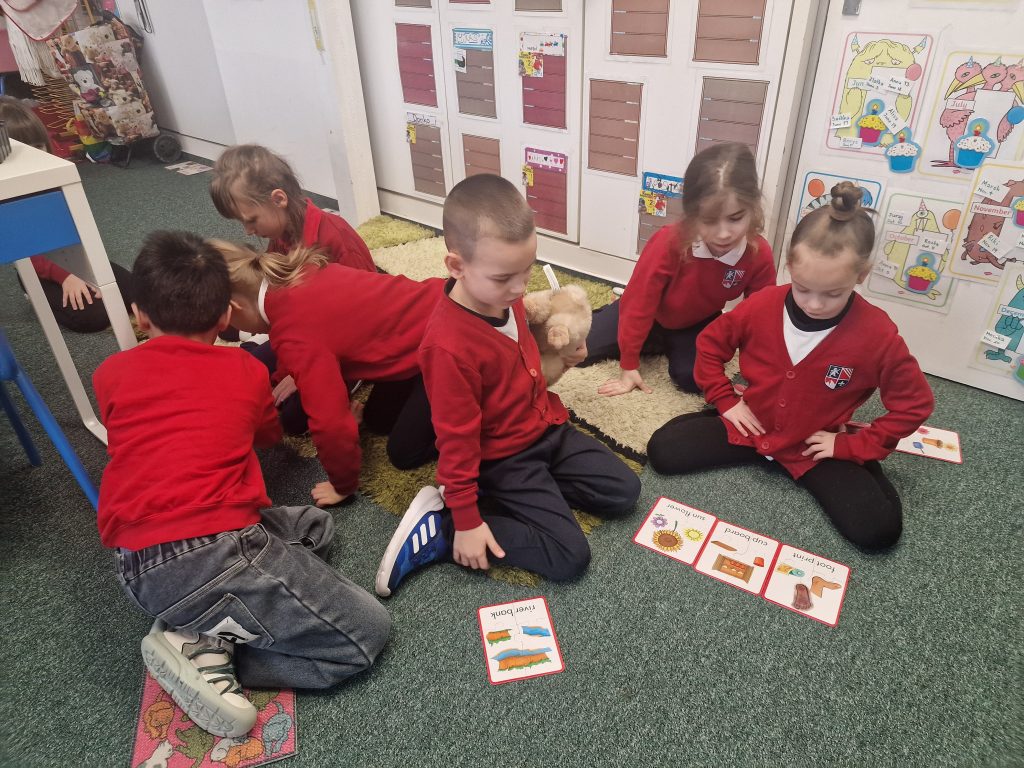
Another important activity is identifying words from the story, including compound words such as rainbow, sunflower, or snowman. This helps children understand how words are formed, recognize patterns, and improve reading fluency.
Through alphabet letter sound practice, sequencing, storytelling, retelling, questioning, and word work, we help children become confident readers, strong speakers, and thoughtful learners. Stories help children not only learn to read — but learn to understand.
Ms. Eva Gogova