Matching Game – Who Are You?
Our students explored adjectives in a fun and creative way with a Matching Game in the unit Who Are You?.
The goal was to learn and classify personality traits using photos, colors, and short descriptions. Students created a complete card game to practice their vocabulary and connect adjectives with real life examples.
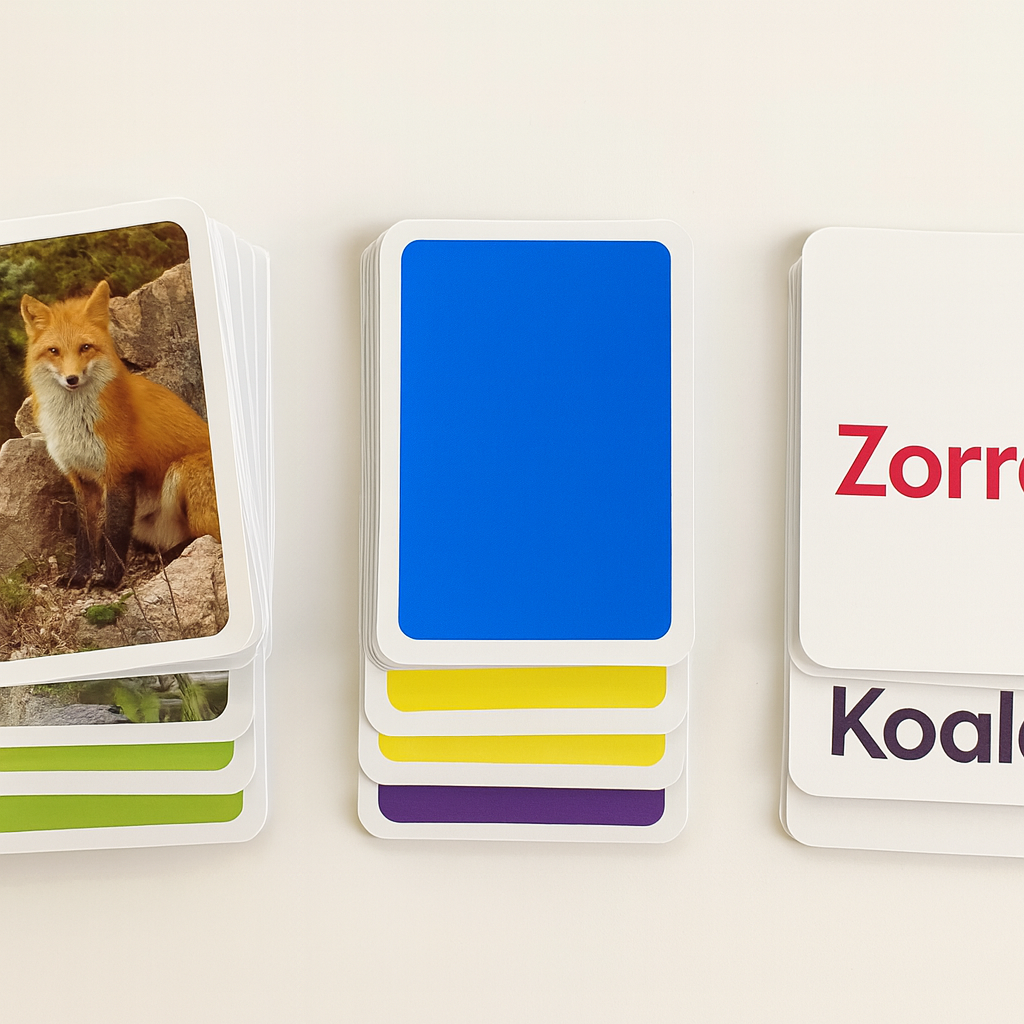
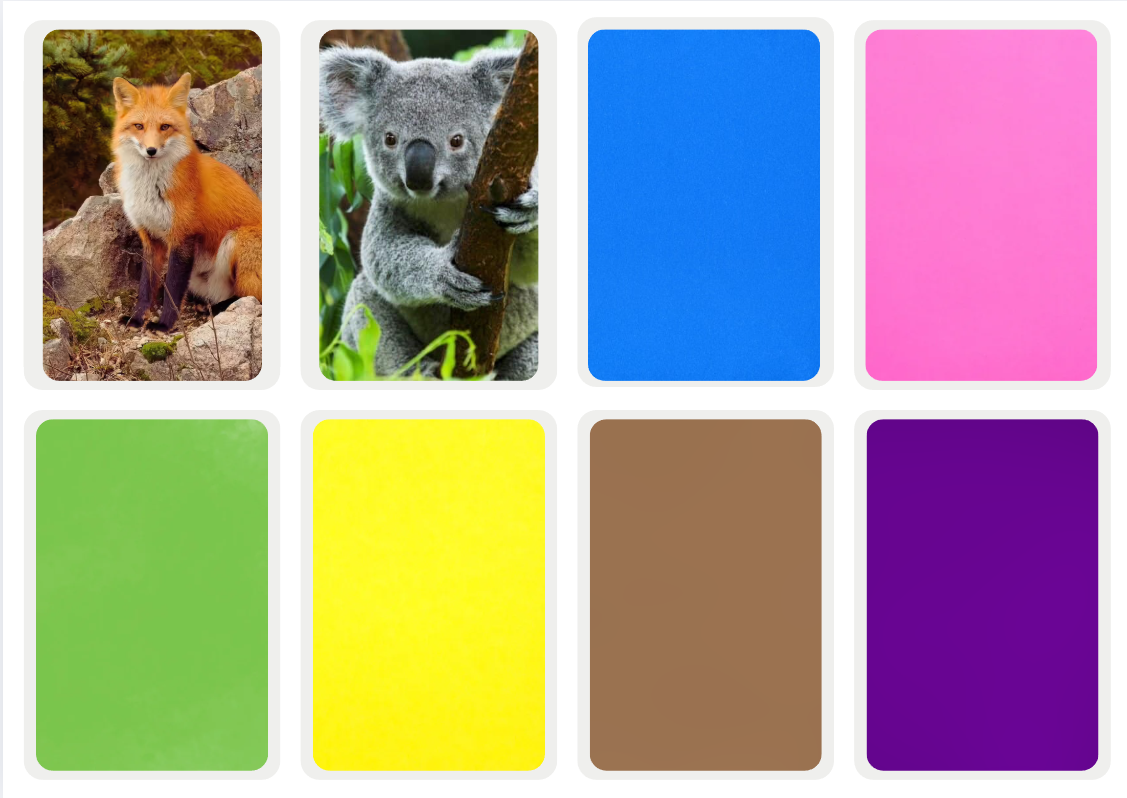
The game has three sets of cards. The first set, Visual Cards, shows photos that represent each adjective without using words. For example, a smiling person represents alegre, a student studying represents trabajador, and an athlete running represents deportista. This set helps students associate images with feelings and traits naturally.

The second set, Word Cards, contains only the adjective in Spanish. Adjectives are grouped by color, such as pink for confiable and tímido, blue for tranquilo and trabajador, and red for amoroso and romántico.
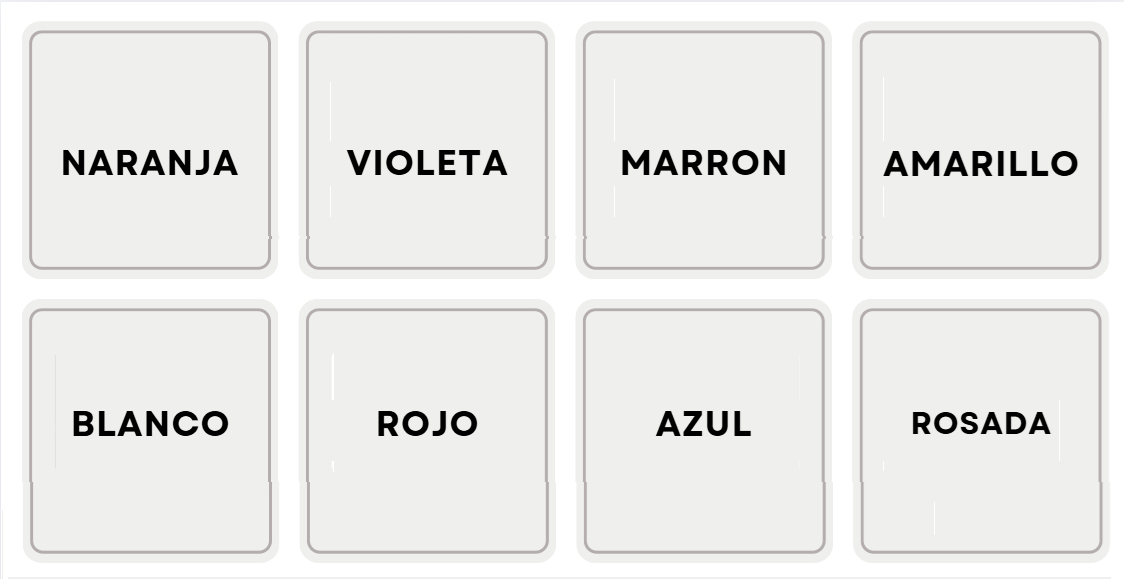
The third set, Color Cards, contains colors that can be matched either to the adjectives or the photos, illustrating an example of that character trait.
This activity allowed students to connect words, images, and colors creatively, improving both vocabulary and understanding of personality traits.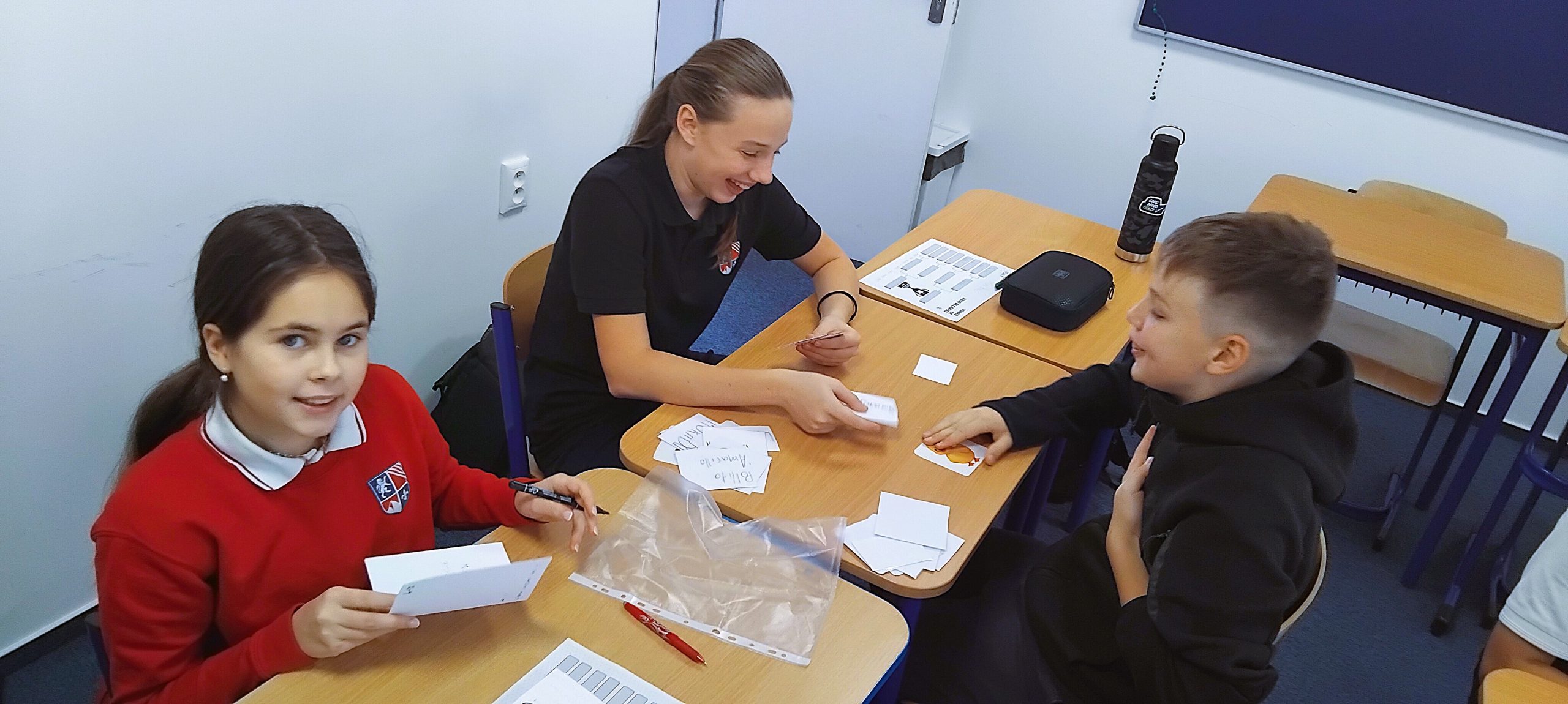
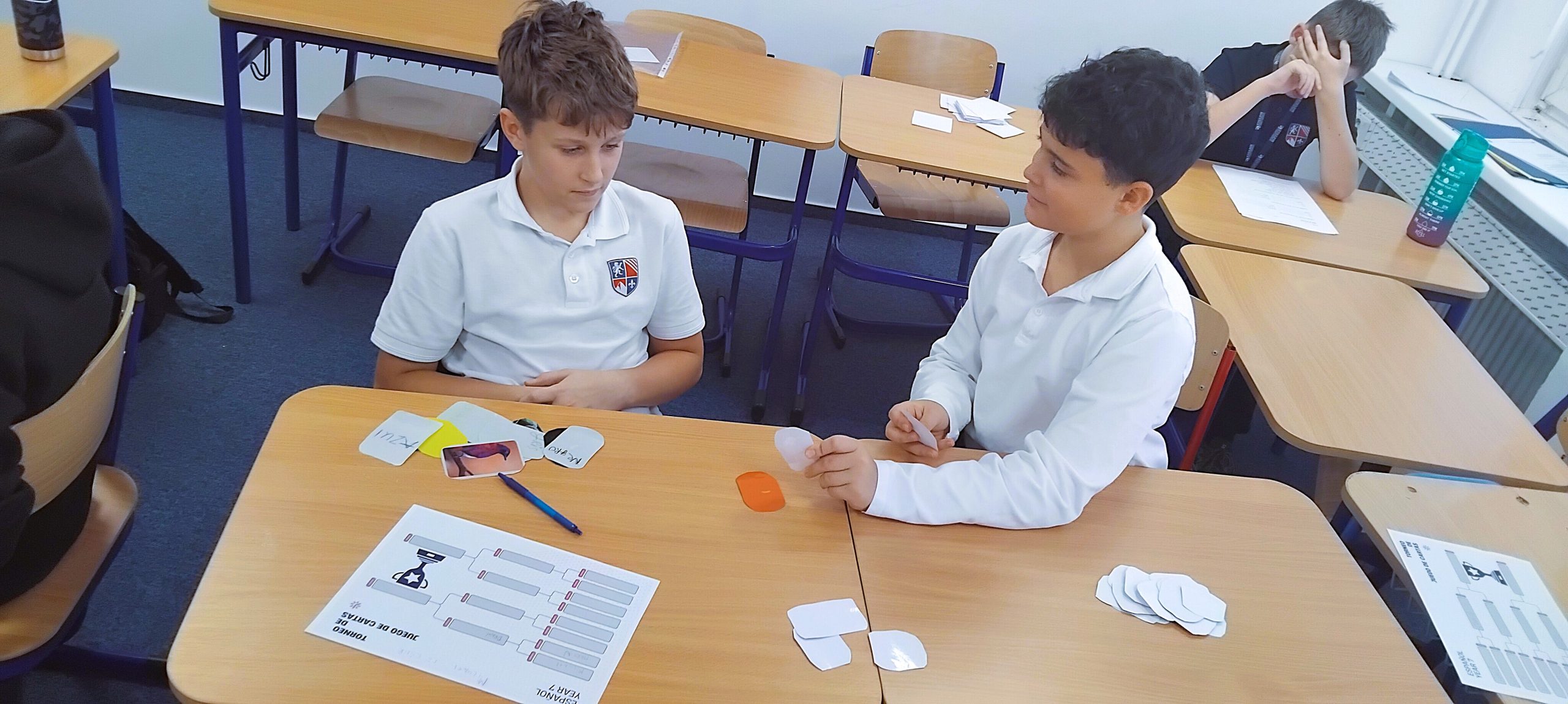
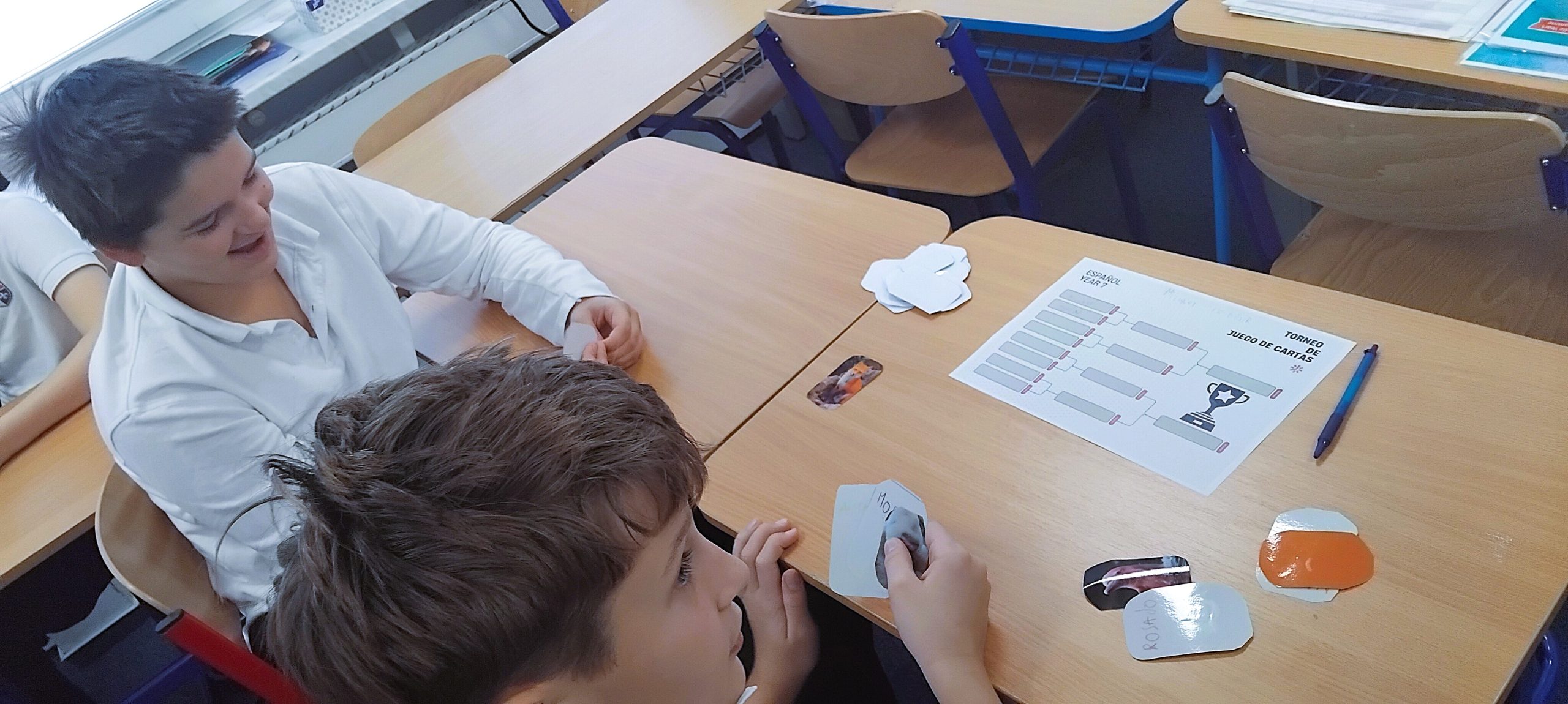
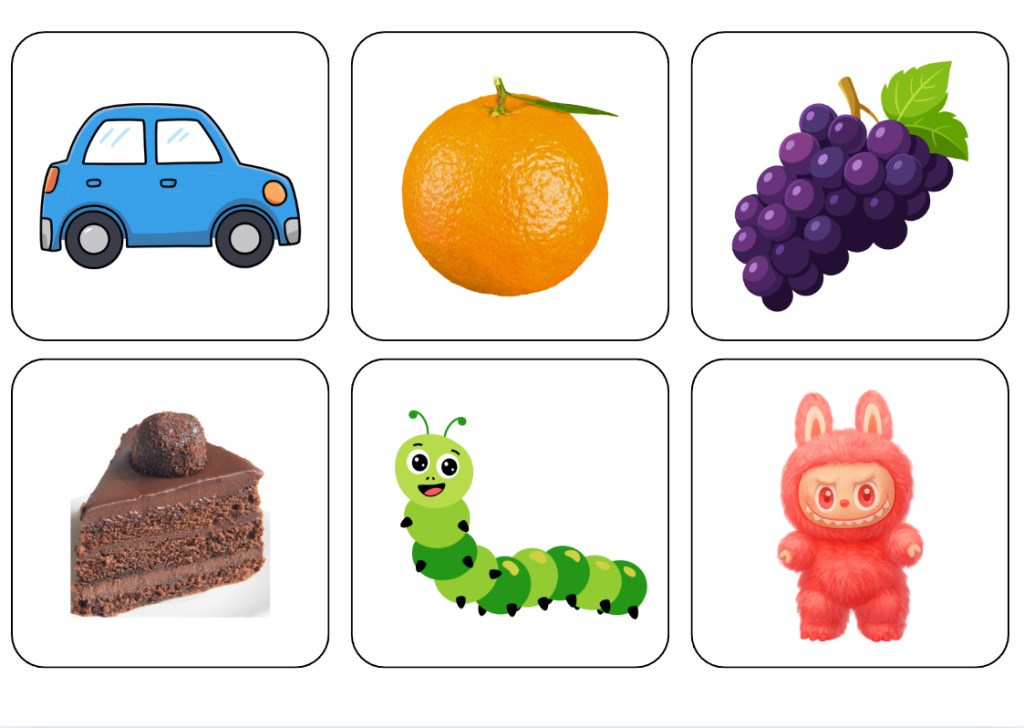
In this fast-paced game of creative association, students compete to empty their hands using a mixed deck of images, descriptive words, and solid colors. The gameplay revolves entirely on the concept of “linking” (vinculando): when a student throws a card onto the central pile, the next player must analyze it and immediately play a card from their own hand that shares a logical or thematic connection.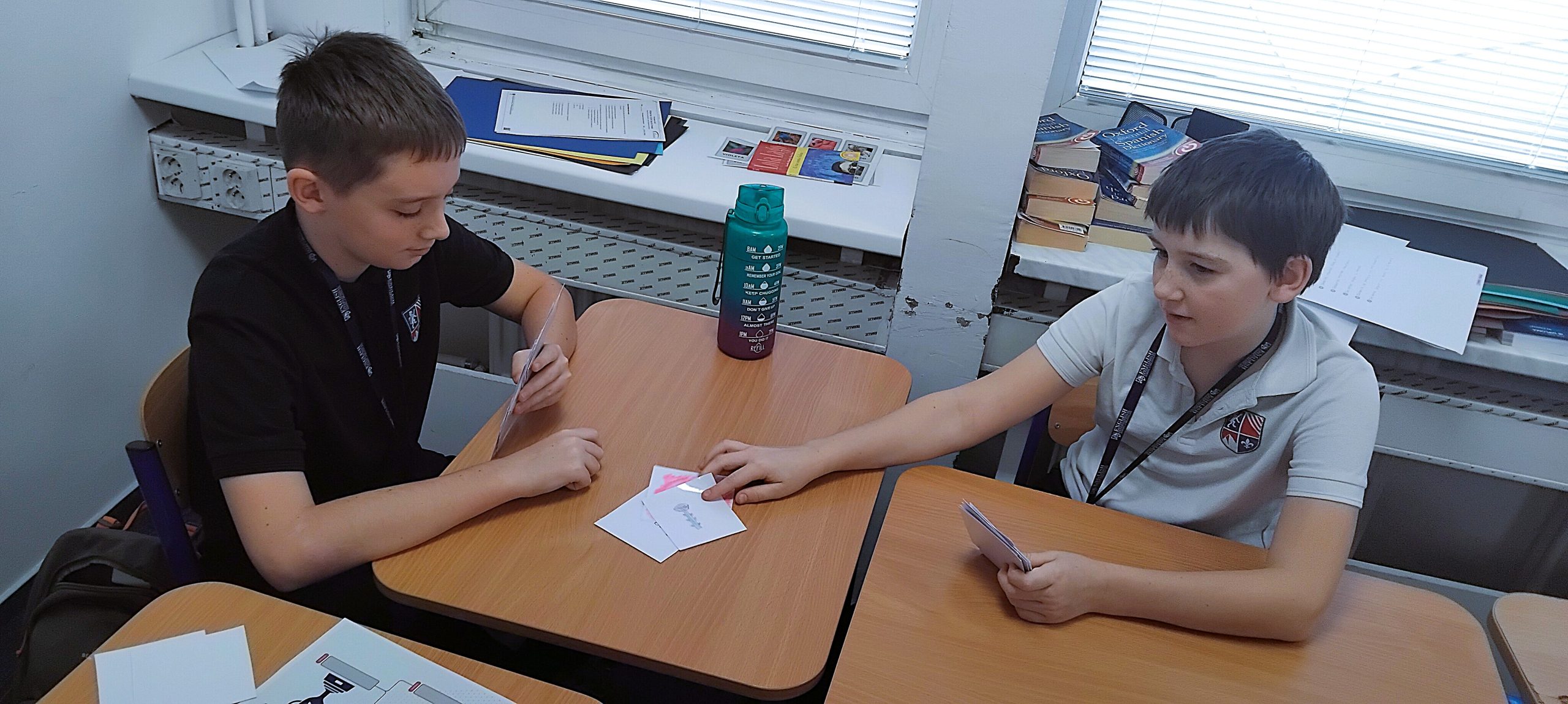
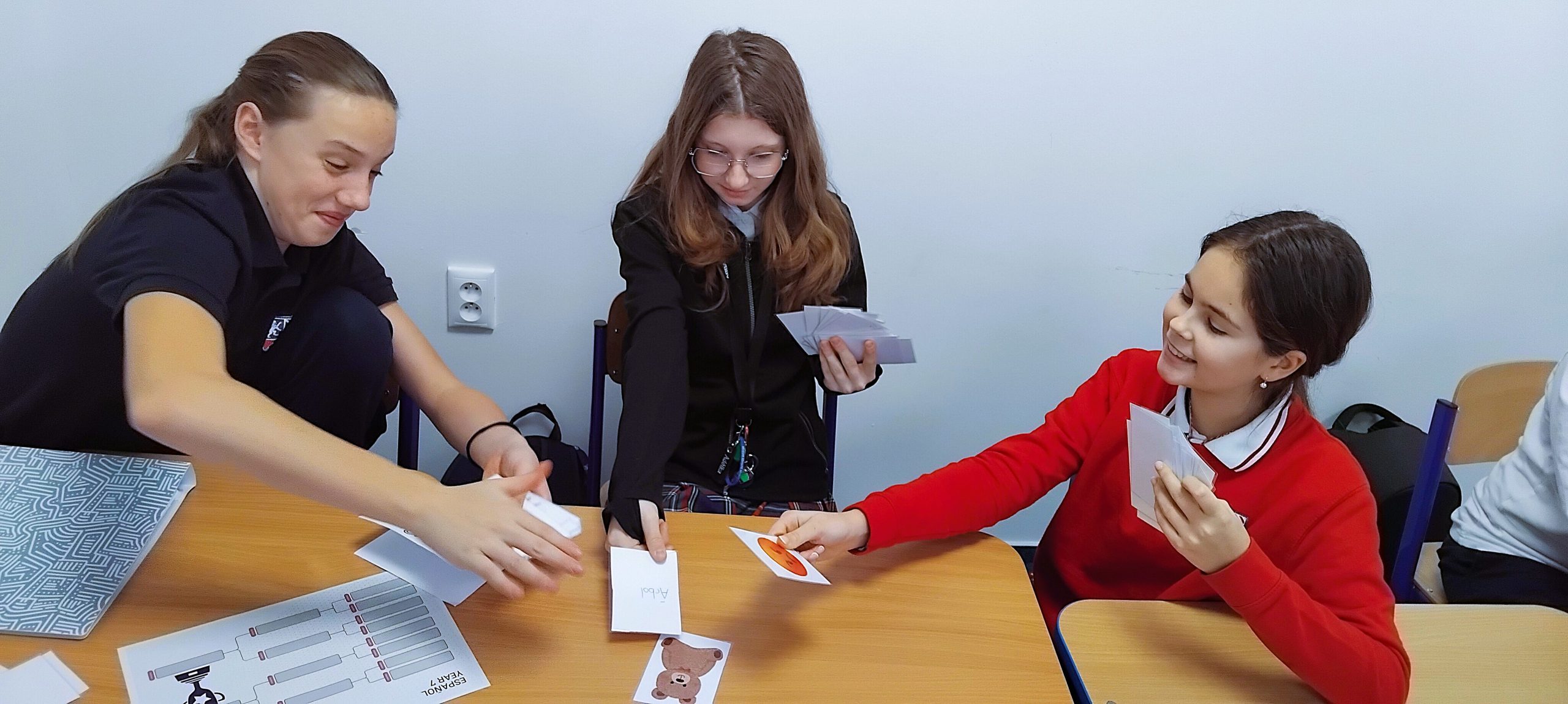
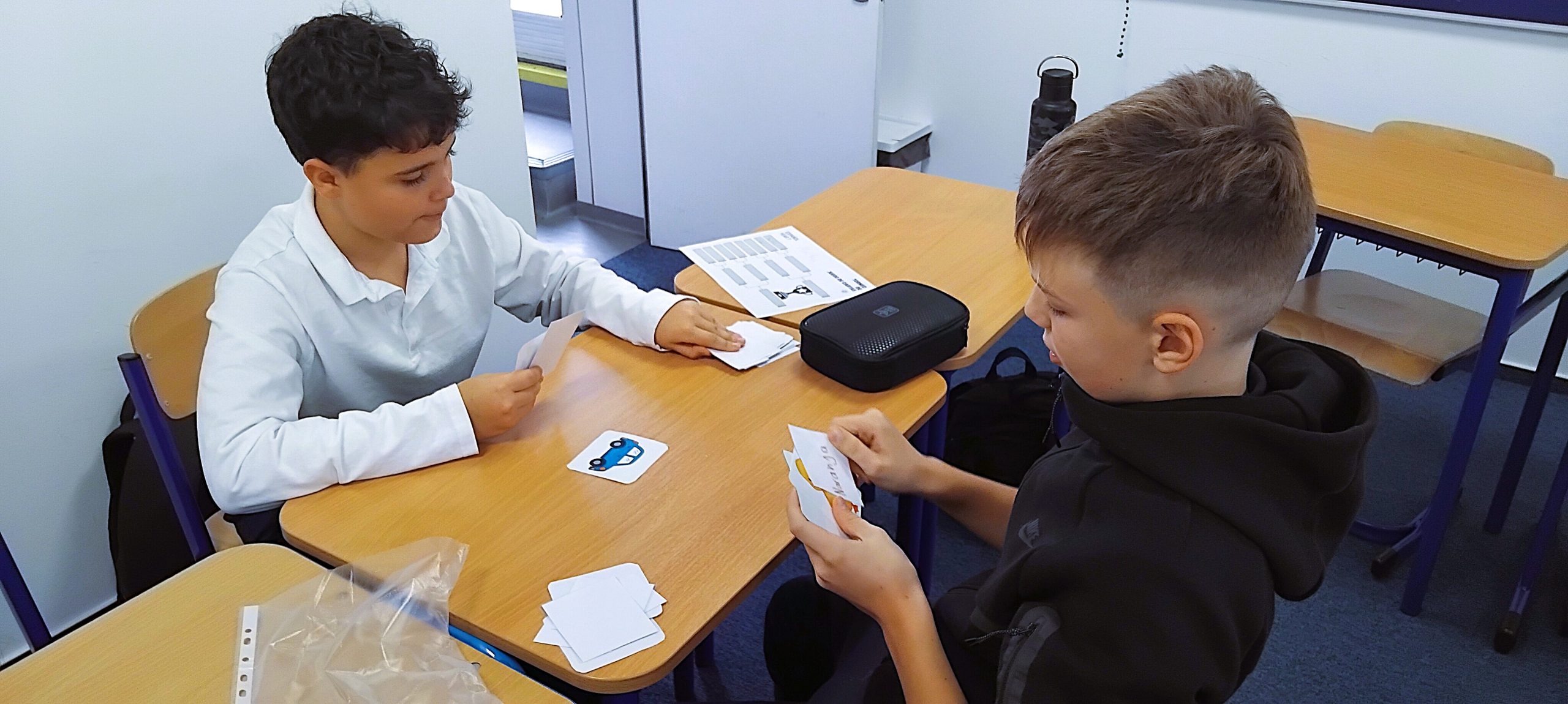
This link could be literal, such as matching a green (verde) color card to an image of a frog (rana), or conceptual, such as connecting the word “Hot” (“Caliente”) to a picture of the Sun (Sol). If a student cannot identify a valid relationship between their cards and the active one on the table, they are forced to draft (robar) a new card from the deck. If this newly drawn card still fails to provide a link, their turn is forfeited, and the opportunity passes to the next player, keeping the game moving and the students thinking critically.