

Year 7 – Parent Coffee
MEETING POINTS
- Classroom Rules and Expectations – Guidelines for behavior emphasizing respect, responsibility, and cooperation.
- Student & Parent Handbook – Important information to read and understand.
- Class Schedule – Daily timetable and subject timings (available on Edupage).
- Materials and Supplies – Essential items like laptops, textbooks, notebooks, and pencil cases.
- Digital Resources – Tools such as Chip, school email, Google Classroom, Edupage, and ManageBac.
- Classroom Layout – Assigned seating and organization of the learning space.
- Lockers – Personal storage for students’ belongings.
- Goals and Expectations – Academic and behavioral targets for the year.
- Homework and Assignments – Policies on frequency, completion, and submission of work.
- Student’s Diary – Tool for tracking assignments, schedules, and notes.
- Uniforms – Dress code requirements for students.
- Mobile Policy – Phones are not allowed unless permitted by the teacher.
- Student Expectations – Students share their hopes, learning goals, and concerns for the year.
 Understanding Year 7 for Your Child
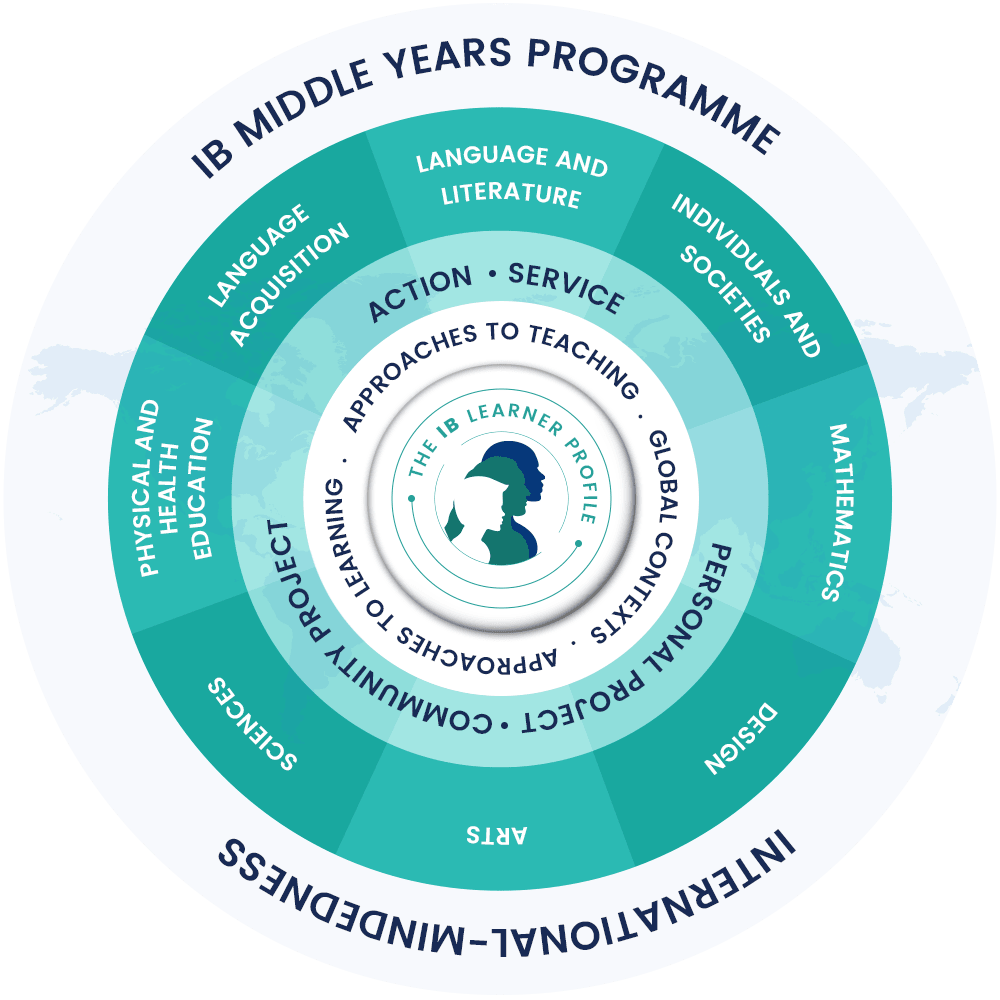
Year 7 marks an important transition in middle school, where students begin navigating a more structured and varied learning environment. Children will have several specialist teachers, attend different subjects in various classrooms, and follow a subject timetable to organize their day. Compulsory subjects, such as English, are complemented by elective courses like languages or drama, allowing students to explore a range of academic and creative interests. Subjects typically studied include:
-
English, Individuals & Societies (I&S), Slovak, Spanish, German, Science
-
Art, Design, Physical Education (PE), Mathematics, Drama
 Service, Skills, and Well-being
As part of the MYP1 curriculum, students participate in Service as Action activities that encourage community engagement, project planning, and reflection on personal contributions. This helps them develop a sense of responsibility and valuable life skills. A smooth transition into Year 7 also requires attention to psychological health, adapting to new challenges such as coursework and peers, balancing study with social life, and parental support in understanding assignments and managing workloads.

How Parents Can Support Their Child
Parental involvement is key in helping students adjust and thrive. Some effective strategies include:
- Establish routines: Regular wake-up, study, meal, and bedtime schedules.
- Encourage organization: Help your child plan their days and manage study time.
- Support goal setting: Guide them to set academic, personal, and extracurricular goals, and celebrate achievements.
- Show interest in homework: Discuss assignments, research tasks, and problem-solving.
- Listen actively: Allow children to express struggles without fear of judgment.
- Engage with the school: Build relationships with teachers and participate in the school community.
- Understand their social world: Get to know their friends and support positive peer connections.