Chemistry Nobel Prize 2026: “Handy” Molecules
Did you know that molecules can have a left-handed and a right-handed version, just like our hands? They contain the same atoms, but their shapes are mirror images that cannot be perfectly overlapped. Scientists call these mirror-image molecules or chiral molecules.
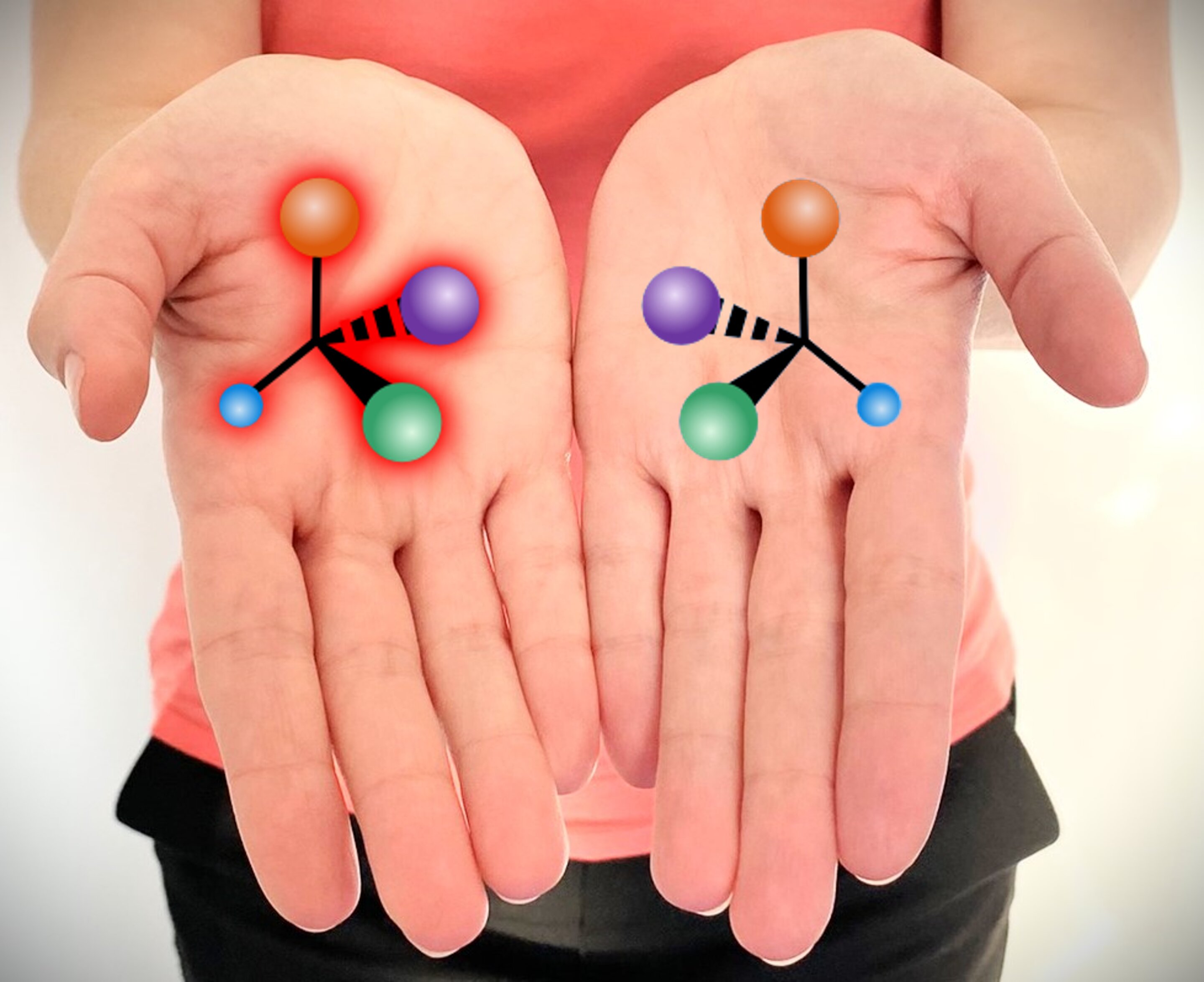
Picture 1. Chiral molecules have same atomic arrangement but they are exactly mirror to each other. Source: https://phys.org/news/2023-03-positive-outlooks-negatively-charged-chiral-molecules.html
The 2026 Nobel Prize in Chemistry was awarded to Henri B. Kagan and Kenso Soai who managed to do something that havent been possible so far (except in nature).
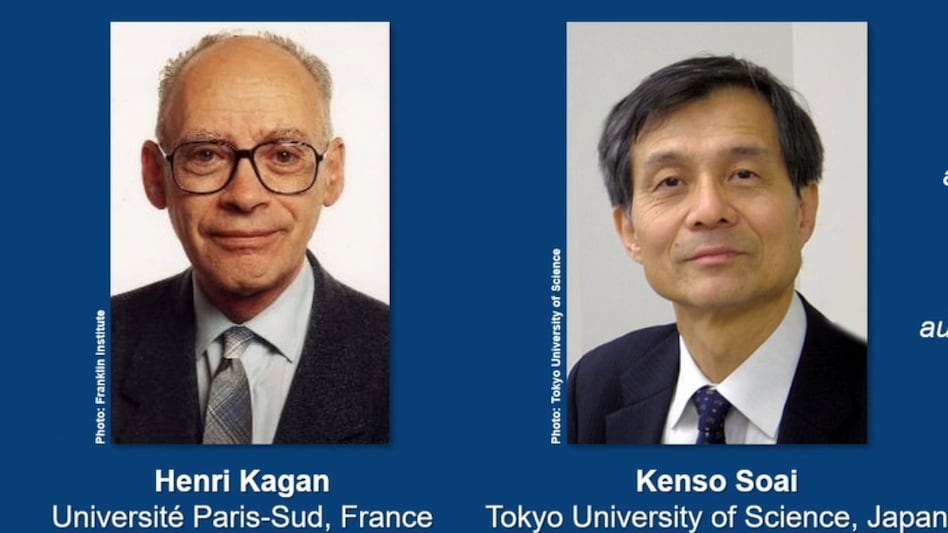
Picture 2. Nobel prize winners, 2026, Chemistry. Source: https://www.businesstoday.in/science/story/nobel-chemistry-prize-2026-goes-to-henri-b-kagan-kenso-soai-what-is-asymmetric-autocatalysis-560159-2026-10-07
Many biological molecules are “handed” or “mirrored”. Those two very similar molecules can interact differently with our bodies. One version of a medicine might have the desired effect, while its mirror image may be less effective or even contribute to unwanted side effects. Problem is, that it has been impossible to synthesise just one verison of the desired molecule, it always creates a mixture of it. And, yes, you guessed right, its also has been very difficult to separate them into pure left-hand and right-hand molecules.
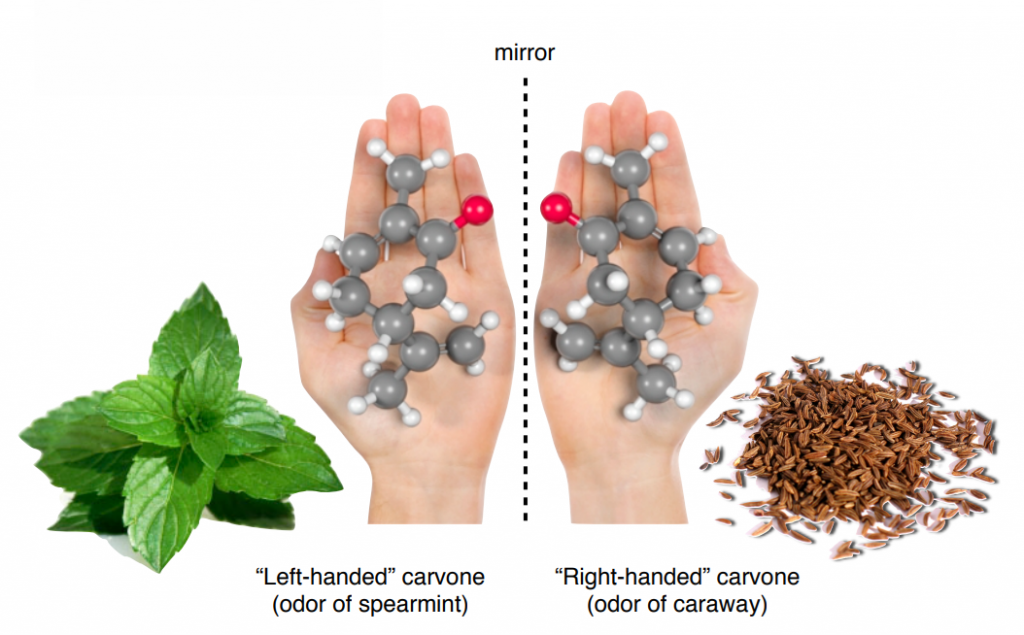 Picture 3. Example of the non harmful chiral molecule effect. Source: https://chiralpedia.com/blog/chiral-chemistry-in-everyday-life-hidden-handedness-around-us/
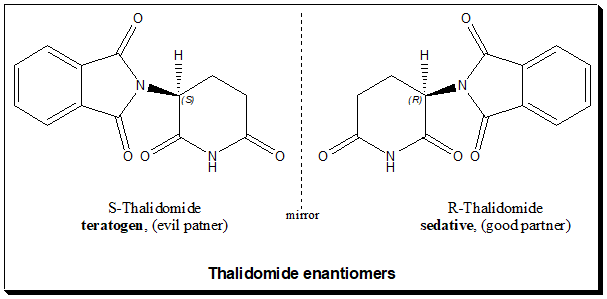
Picture 4: Example of harmful effect from chirality. Famous thalidomide molecule (which caused birth effects in 50-s). Source: https://chiralpedia.com/blog/thalidomide-tragedy-the-story-and-lessons/
Nature has a strong preference for particular molecular forms. For example, living organisms use almost exclusively one handedness of amino acids to build proteins. For a long time, scientists have been fascinated by how this preference arose and how it could be reproduced in the laboratory.
Kagan and Soai made important breakthroughs in understanding how chemical reactions can favour one mirror-image form over the other. Soai’s work showed how a small initial preference could be amplified until a reaction produced essentially one handed form. They managed to get near 100% pure molecule! This is mind blowing!
The discoveries could help scientists develop medicines more precisely, design new useful chemicals and investigate one of life’s biggest mysteries: why does life favour one molecular “hand” over the other?

Picture 5. Role of chiral drugs. Source: https://onlinelibrary.wiley.com/doi/10.1002/chir.23698
And this is where school science comes in! Learning about atoms, molecular shapes and chemical reactions might seem like just another part of the syllabus, but these ideas are the foundations of discoveries that can change our understanding of life. Every big breakthrough begins with curiosity, questions and the courage to investigate. Who knows where our students’ questions might lead?