
Discover Canada Essay Contest: Why You Should Enter (and How to Win)
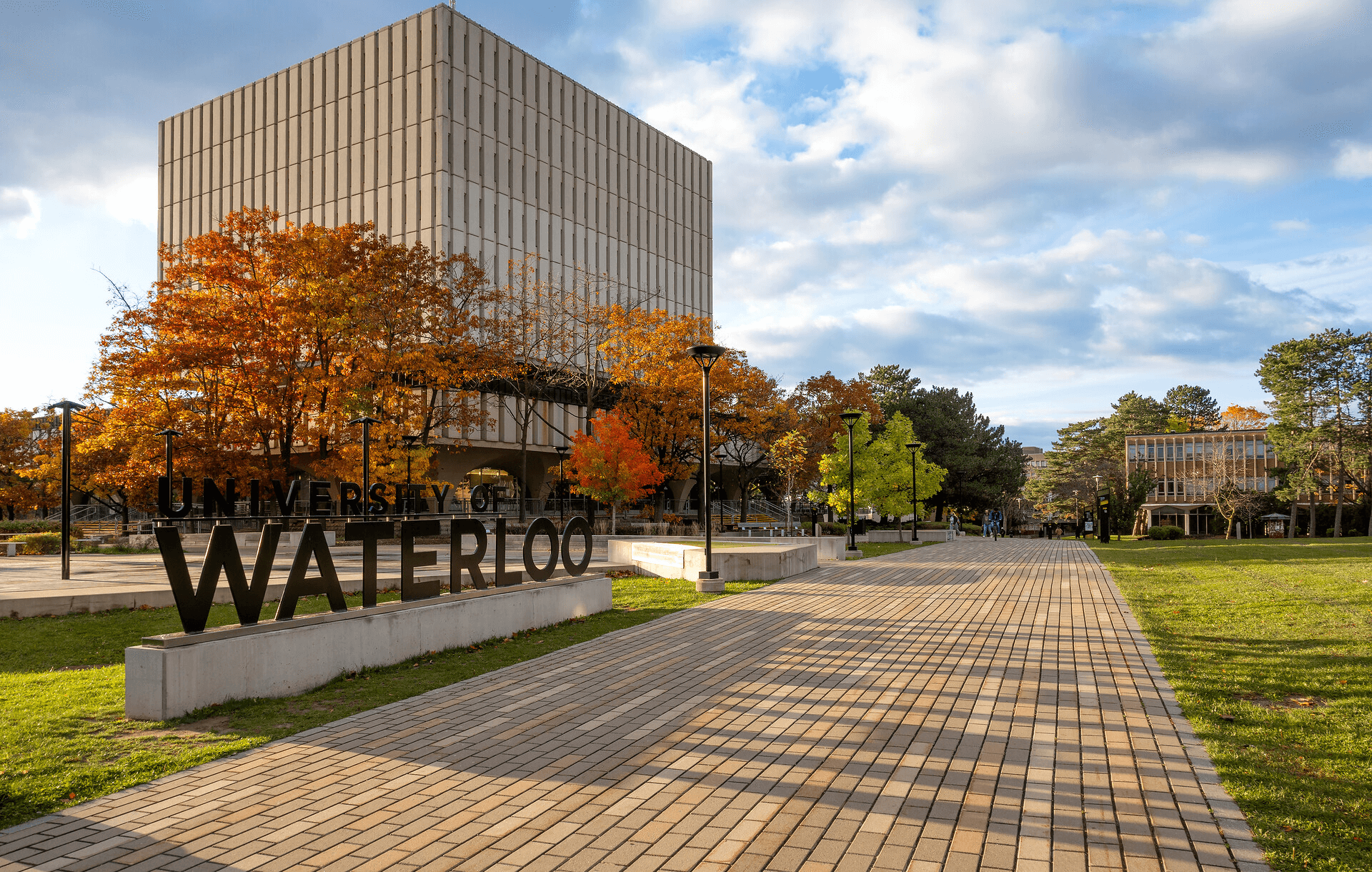
If you’re 15–18 and even a little Canada-curious, this is a great target for your winter writing goals. The Discover Canada Essay Contest (2025–2026) is open worldwide right now and closes March 1, 2026. Top prize: a two-week “Future Ready” summer program at Renison University College, University of Waterloo; runner-up scholarships of $1,500 CAD and $1,000 CAD can be applied toward that program.
What the contest is (in one minute)
EduXperience Associates Canada, in cooperation with Renison University College (University of Waterloo), is inviting high school students to write on the 2025–26 topic: “Choosing the right career path and skills needed to successfully prepare for university studies in Canada.” Essays are judged for depth and originality of thought, organization, and clarity, with a judging panel from Renison.
Key facts
-
Who: International high school students aged 15–18.
-
When: Submissions open now; deadline March 1, 2026 (11:59 p.m. ET).
-
Prizes: 1st: 2-week Future Ready Summer Program at Renison (Waterloo); 2nd: $1,500 CAD; 3rd: $1,000 CAD (scholarships can go toward the program).
How to submit (it’s simple)
You can upload your essay via the online entry form (preferred) or email it with a signed entry form. You’ll get a confirmation within 7 days. Be sure your file is PDF or DOCX and follow the posted rules (e.g., don’t put your name on the essay pages).
Why this fits our IB skillset
This prompt is tailor-made for IB writers: you’ll take a clear position, support it with specific, credible evidence, and organize it so a reader can follow your reasoning. In other words, the same muscles you use in Paper 1/2 and your argument writing—only this time, the audience is a university panel. The contest explicitly rewards quality and originality of thought, organization, and clarity, which aligns with how we already grade for purpose, structure, and control of language.
A no-drama planning path (one week)
Day 1 — Decide your angle. Narrow the claim: for example, “For STEM-bound students, project-based collaboration + technical writing + data literacy are the three skills that travel best into Canadian university classrooms.” (Strong because it names a context and three mechanisms.)
Day 2 — Research with intent. Pull 3–5 reputable sources about Canadian university expectations (program pages, skills frameworks, first-year course outlines, career-services guidance). Log titles/URLs so attribution is easy.
Day 3 — Outline. Intro with your claim → body paragraph 1 (skill A: what/why/evidence) → body 2 (skill B) → body 3 (skill C) → conclusion that reframes the claim toward readiness (not just admission).
Day 4 — Draft. Write for clarity, not flourish. Aim for sentences that explain how a skill improves outcomes (participation, assessment types, group work, lab safety, academic integrity).
Day 5 — Get a reader. Ask one peer to mark where they hesitated and one place they wanted “more specific.” Fix both.
Day 6 — Proof & polish. Cut 10% of words without losing meaning. Replace weak verbs (is/has/shows) with ones that explain relationships (prepares, equips, transfers, incentivizes, constrains).
Day 7 — Final checks. Remove your name from the essay pages, export to PDF, complete the declaration, and submit.
Make your examples work harder
-
Transferability: Show how a skill (e.g., citation literacy or lab note-keeping) transfers from upper-secondary to first-year courses and co-op placements.
-
Canadian context: Point to features like co-op programs, team-based projects, or writing-across-the-curriculum, and explain why your chosen skills map onto them. Renison/Waterloo’s emphasis on academic workshops and skill-building makes a natural bridge in your argument.
-
Mechanisms, not slogans: Instead of “communication is important,” write “concise technical writing reduces lab errors and speeds peer feedback, which raises project quality.”
Practical submission tips
-
Anonymize the essay file (no name on pages).
-
Use the online form if possible; it handles the referee and consent pieces cleanly, and you’ll receive confirmation.
-
Hit the deadline in Eastern Time (set a reminder one day earlier to be safe).
If you win
First place attends the Future Ready Summer Program at Renison (University of Waterloo)—two weeks of academic workshops, skill-building sessions, and on-campus experience with international peers. That’s a serious line on a future application, and authentic exposure to Canadian university life.
Quick link
-
Contest overview, topic, prizes, eligibility, judging: Discover Canada Essay Contest 2025–2026.