From Thermal Radiation to Climate Change
Our Year 8 Science class is currently studying thermal radiation, exploring how heat moves and how it interacts with matter. As part of this topic, students also had the chance to learn about the greenhouse effect, a natural process that makes life on Earth possible by keeping our planet warm.
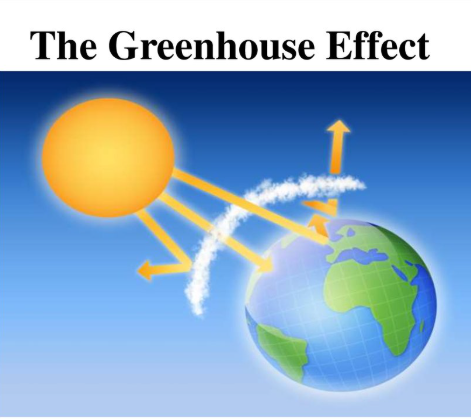
Scientists have studied the greenhouse effect for nearly two centuries. Greenhouse gases, such as carbon dioxide, methane, and water vapor, act like a blanket around the Earth. They allow sunlight to enter but prevent too much heat from escaping. Without this process, Earth would be far too cold to support life.
However, today we are seeing how human activities are changing this natural balance. The burning of fossil fuels, energy production, farming, and industrial processes have increased the amount of greenhouse gases in the atmosphere. This has led to global climate change, which affects weather patterns all over the world.
Here in Slovakia, this change is becoming increasingly obvious. This winter has been particularly heavy and extreme, reminding us that climate change does not only mean warmer temperatures. It also brings more unpredictable and intense weather, including colder winters, stronger storms, and unusual seasonal patterns.
By connecting what we learn in Science lessons to what we observe outside, students begin to understand that climate change is real, measurable, and relevant to their lives!