Guiding Young Minds Through Inquiry: My Story 🌈
🌼 How Inquiry Grows in Grade 2-B: A Teacher’s Reflection.🌈
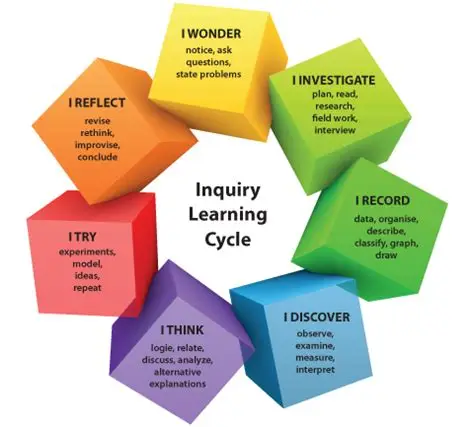
Between October and March 2026, I had the opportunity to explore Inquiry Learning Progressions (ILPs) as part of my professional learning. What began as a simple requirement soon became one of the most meaningful experiences of my teaching practice.
Through this journey, I started to see inquiry not just as a teaching method, but as a developmental pathway — a journey that every child moves through in their own unique way. ILPs helped me slow down, observe more intentionally, and appreciate the small but powerful moments of growth happening in my classroom every day.
🌟 What I Learned About Inquiry
ILPs gave me a clearer lens to understand how students grow as inquirers over time. They helped me recognise:
- Where each learner currently is
- What the next step in their inquiry journey looks like
- How to scaffold learning meaningfully
- How to make student agency visible
Most importantly, ILPs shifted my thinking from “What task did the student complete?” to “How is the student growing as a thinker?”
This shift changed the way I plan, observe, and respond to learning.
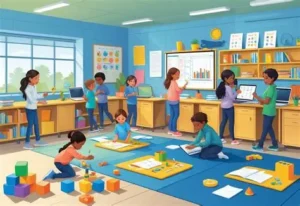
🔍 The Four Stages I Observed in My Classroom..
1. Exploratory Play
Students explore freely, notice details, and ask simple questions. This stage reminded me how powerful curiosity is when we allow space for it. Often, the most meaningful learning begins with a simple “I wonder…”
2. Guided Inquiry
Students begin asking more focused questions and participating in structured investigations. My role becomes guiding, modelling, and supporting their thinking. Grade 2 students thrive here — they are ready for direction but still need gentle scaffolding.
3. Collaborative Inquiry
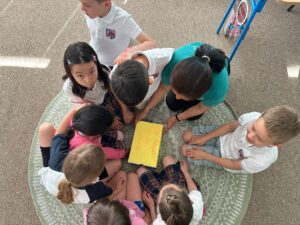
Students work together, share ideas, and build understanding as a group. I realised that collaboration needs to be taught, encouraged, and nurtured. When students learn to listen, respond, and build on each other’s ideas, inquiry becomes richer.
Students plan, research, reflect, and take action independently. This is where true ownership and agency become visible. Even in Grade 2, I saw early signs of independence — students choosing tools, planning simple investigations, and reflecting on their learning.
| Stage | Student Behaviours | Teacher Role |
|---|---|---|
| Exploratory Play | Explore, notice, wonder | Provide materials, model curiosity |
| Guided Inquiry | Ask focused questions | Scaffold, model research |
| Collaborative Inquiry | Work in groups | Facilitate, teach roles |
| Sustained Inquiry | Plan, research, reflect | Conference, extend thinking |
🎒 How This Journey Changed My Teaching
From October to March, ILP’s helped me:
- Observe students more intentionally
- Give feedback that supports growth
- Plan inquiry experiences with clarity
- Encourage agency through choice and reflection
- Document learning more meaningfully
ILPs didn’t just change how I teach — they changed how I see my learners.
I began noticing patterns in their questions, confidence in their choices, and pride in their reflections. ILPs helped me celebrate growth, not just outcomes.
🌈 Final Reflection
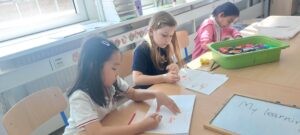
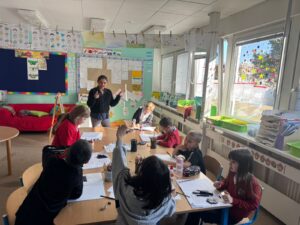
My inquiry journey reminded me that learning in Grade 2-B is full of surprises — sometimes gentle, sometimes bold, but always meaningful. Each day, I watched curiosity spark, ideas grow, and confidence bloom. Seeing my students move through the stages of inquiry with excitement, teamwork, and growing independence has been one of the most joyful parts of my teaching. This journey has shown me that every child carries their own unique way of wondering about the world, and my role is to nurture those moments, celebrate their discoveries, and walk beside them as they grow into thoughtful, capable young inquirers…
And as our learning continues, I look forward to seeing how inquiry will keep evolving — in new questions, new collaborations, and new moments of wonder — reminding me that this journey is never finished, only unfolding.