
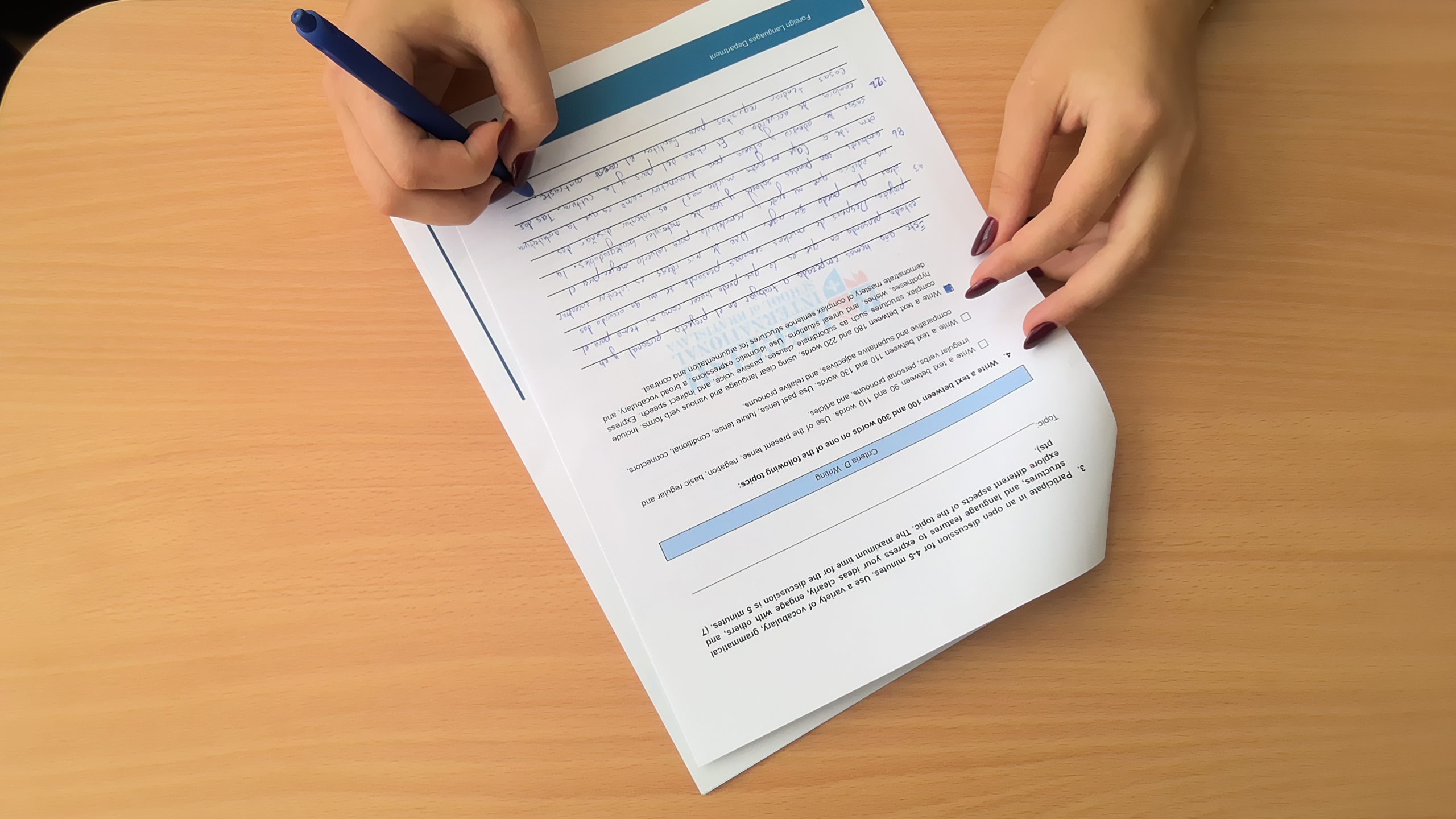
Supporting the “Slow Move”: A Parent’s Guide to Analog Writing
How can parents help their kids move away from writing on a digital device to writing on paper? Shifting a teenager’s preference from a glowing screen to a blank page doesn’t happen overnight, but creating a home environment that celebrates the written word can make the transition much more natural and even enjoyable.
The first step is often the most practical: creating a dedicated space that invites creativity. Much like we set up ergonomic desks for computer work, a “writing station” stocked with quality materials can change the psychological approach to a task. When a student has access to pens that glide easily and paper that feels substantial, the physical act of writing becomes a sensory pleasure rather than a chore. Good lighting and a comfortable chair are essential, but the real key is minimizing digital friction. Encouraging your child to leave their phone in another room during their “writing hour” helps them enter that deep state of focus we strive for in our English Language and Literature classes.
Integration into daily life is also a powerful way to build stamina without it feeling like extra homework. We can model this by bringing back “low-stakes” handwriting in the household. Instead of a shared digital grocery list, try keeping a physical one on the fridge. Encourage the writing of traditional thank-you notes, birthday cards, or even short encouraging memos left on a desk. These small acts reinforce the idea that handwriting is a tool for personal connection and thoughtful communication. When students see that their parents value the time it takes to write by hand, they begin to view it as a mark of quality and intent rather than an outdated requirement.
Finally, it is helpful to frame handwriting as a form of “mental decluttering.” Many teenagers deal with high levels of digital fatigue and “brain fog.” Suggesting a five-minute journaling session before bed can be a game-changer. There is no pressure for perfect grammar or beautiful calligraphy in a private journal; it is simply about moving thoughts from the mind to the page. This practice helps bridge the gap between the complex analysis they do at school and their personal expression at home. By fostering these habits, we aren’t just helping them with their next school project; we are giving them a lifelong tool for clarity, focus, and a more profound understanding of the world around them.

very informative articles or reviews at this time.