
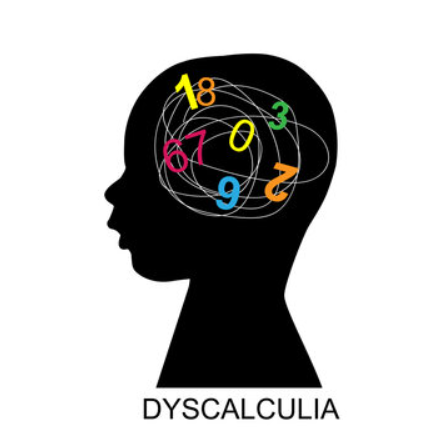
Dyscalculia
At EISB, we recognize that every learner is unique. Dyscalculia, a learning difference that impacts how children understand numbers and math, can also influence their confidence, friendships, and everyday experiences. Together as teachers, parents, and peers we can make a big difference in how these students grow and succeed.
For students with dyscalculia, every math lesson can feel like an uphill climb. Traditional approaches to teaching mathematics often rely on linear and cumulative learning, where each new concept builds on the last. This structure can make it especially difficult for students who struggle to retain basic number facts, such as multiplication tables, or to apply multi-step algorithms like long division or column subtraction. As mathematics progresses, these gaps can widen, leaving students feeling left behind. The inability to grasp foundational concepts, memorize arithmetic facts, or use effective problem-solving strategies can lead to lower performance and a persistent sense of failure. These challenges are sometimes difficult to be recognized, and can easily be mistaken for a lack of effort or motivation. However, research shows that students with dyscalculia are often trying hard. Their effort just doesn’t always show through traditional assessments. A classroom can either become a place of growth or a daily source of stress for a child with dyscalculia. The difference lies in whether educators incorporate differentiated instruction, multisensory learning, and empathic communication. A supportive classroom which values effort, offers regular feedback, and promotes psychological safety can make a world of difference.
Support
Supporting a student with dyscalculia requires a multilayered approach that combines effective teaching methods, family collaboration, and a positive social climate. Differentiated instruction is essential. Visual and hands-on tools such as cubes, counters, and diagrams can help students build tangible understanding of abstract mathematical concepts. The use of number lines enhances comprehension of sequences, addition, and subtraction through physical or visual interaction.
Activities that strengthen number sense like comparing quantities or identifying patterns foster a deeper intuitive understanding of math. Tools such as Numicon, developed by Oxford University Press, use structured visual shapes to represent numbers, helping students grasp numerical relationships and place value. Technology can also play a powerful role. Educational platforms like Dynamo Maths, Maths Recovery, and Number Worlds offer structured, developmental programs designed for students with dyscalculia. Moreover, allowing alternative forms of assessment such as oral exams, visual problem-solving, or using diagrams instead of numerical notation can reduce anxiety and reveal students’ true understanding.
Parents are crucial partners in supporting children with dyscalculia. Effective collaboration with teachers helps them understand the child’s difficulties and avoid discouraging practices like excessive correction or rote memorization pressure. Incorporating math into everyday life ( measuring ingredients while cooking, counting money, or playing strategy games) promotes mathematical thinking in a natural and enjoyable way. Most importantly, parents should focus on effort rather than outcome, celebrating progress, no matter how small. This encourages resilience and builds a positive learning mindset.
By fostering awareness and compassion, we can ensure that every child has the opportunity to reach their full potential not despite their differences, but through them.