Why Education Mattered to Nelson Mandela
Over the Christmas break, I travelled to Cape Town, South Africa, where I visited several museums and learned about the country’s history under apartheid. One of the more impactful experiences was visiting Robben Island, where Nelson Mandela was imprisoned as a political prisoner for 18 years (from 1964 until 1982). Seeing his prison cell and reflecting on the conditions he had to endure got me thinking more about who he was as a person as well as his values and beliefs, especially those related to education.
Learning more about Mandela and his life’s work has reaffirmed my commitment to working with students and supporting education as a pathway to social change.
Mandela’s View on Education
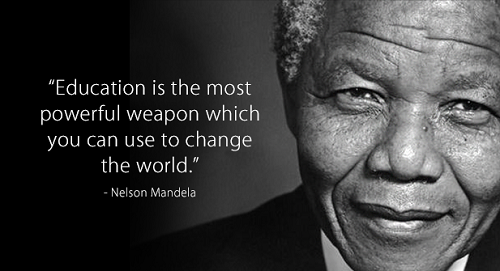
Mandela believed that education is one of the most powerful tools for societal development. He is famously quoted as saying that “education is the most powerful weapon which you can use to change the world”.
For him, learning was not only about gaining knowledge, but about gaining freedom… the freedom to think independently, to participate in society, and to shape a better future. An educated society, in Mandela’s view, is better equipped to challenge unfair systems and build a strong democracy.
Education and Equal Opportunity
Mandela strongly believed that education should be accessible to everyone, regardless of race or background. Equal access to learning, he argued, is the foundation for equal opportunity and long-term social progress.
His message remains highly relevant today: education empowers individuals, strengthens communities, and plays a central role in creating a more just society.
Here are a few photos I took on Robben Island:
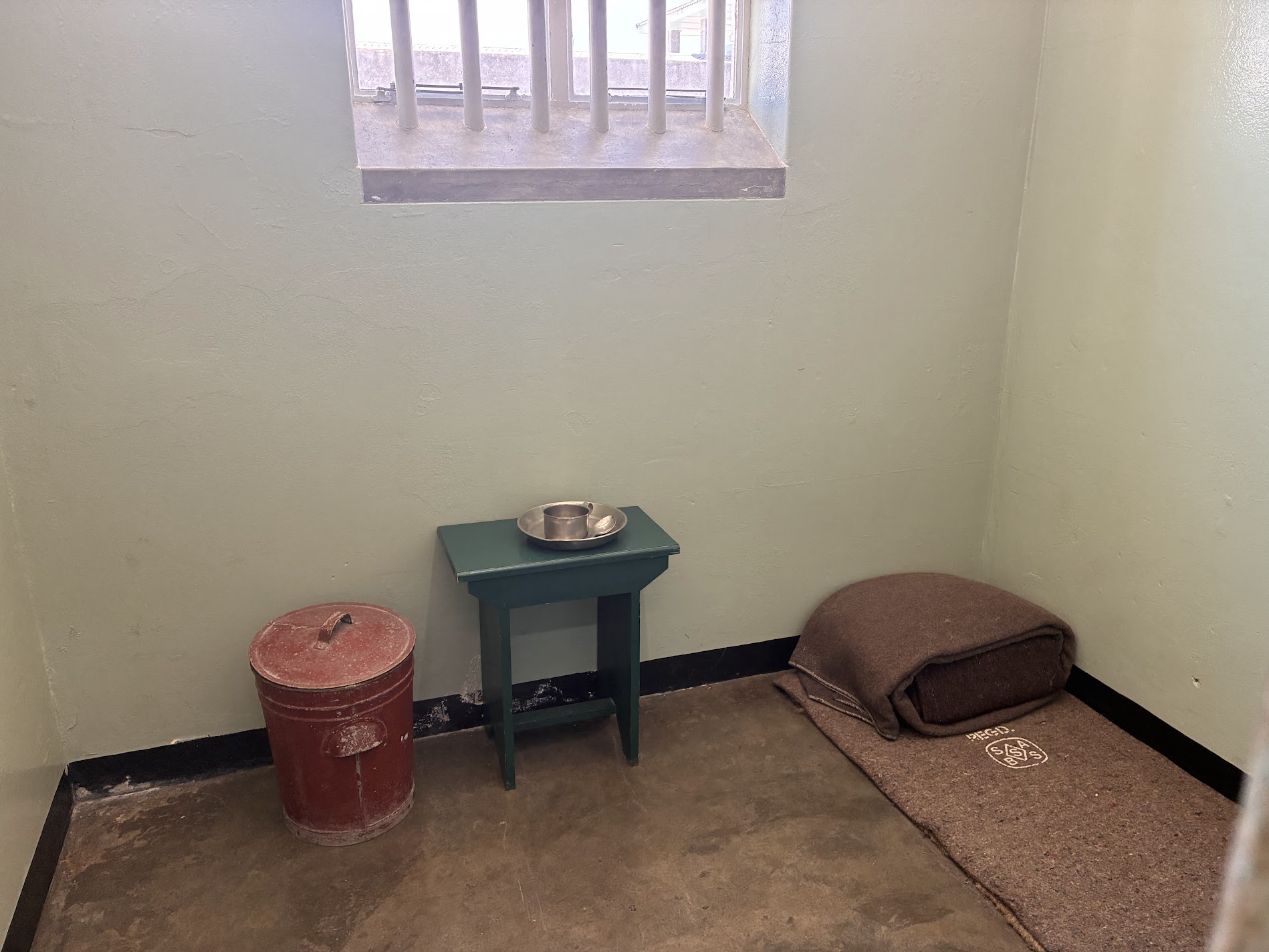
The inside of Nelson Mandela’s prison cell on Robben Island from 1964 until 1982
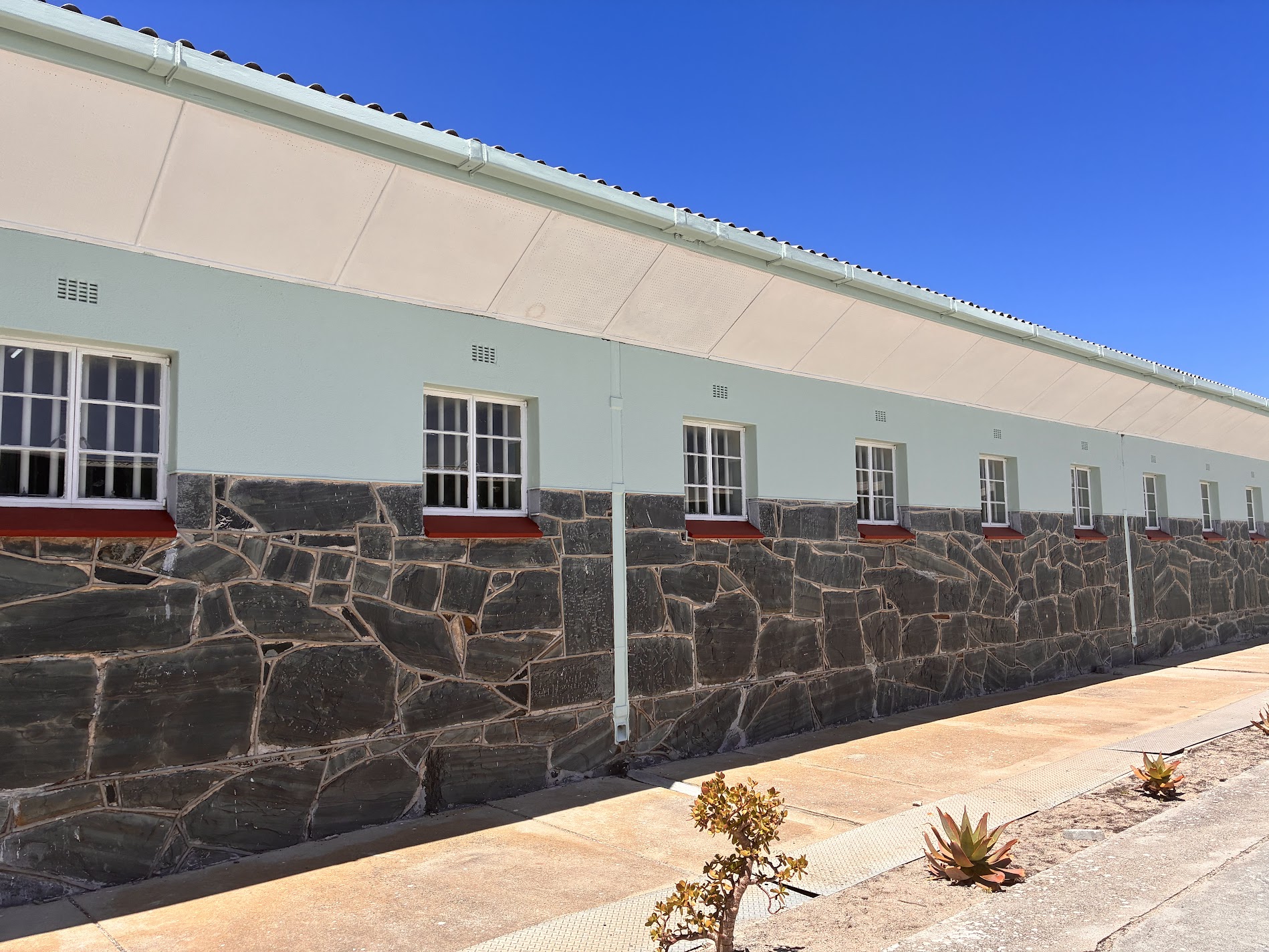 The outside of his prison cell
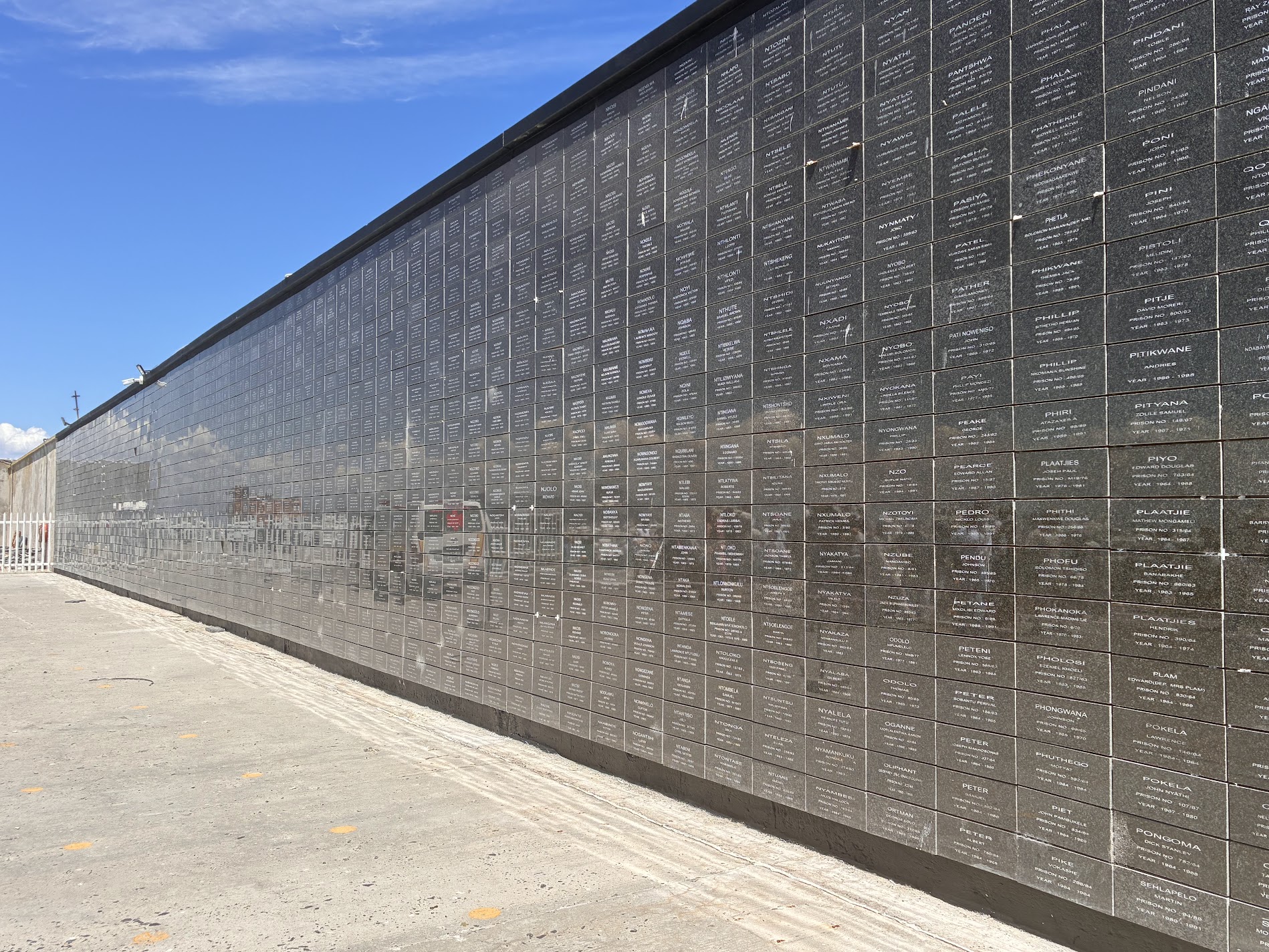
Names of the political prisinors that were incarcerated on Robben Island (and the years they were imprisoned)
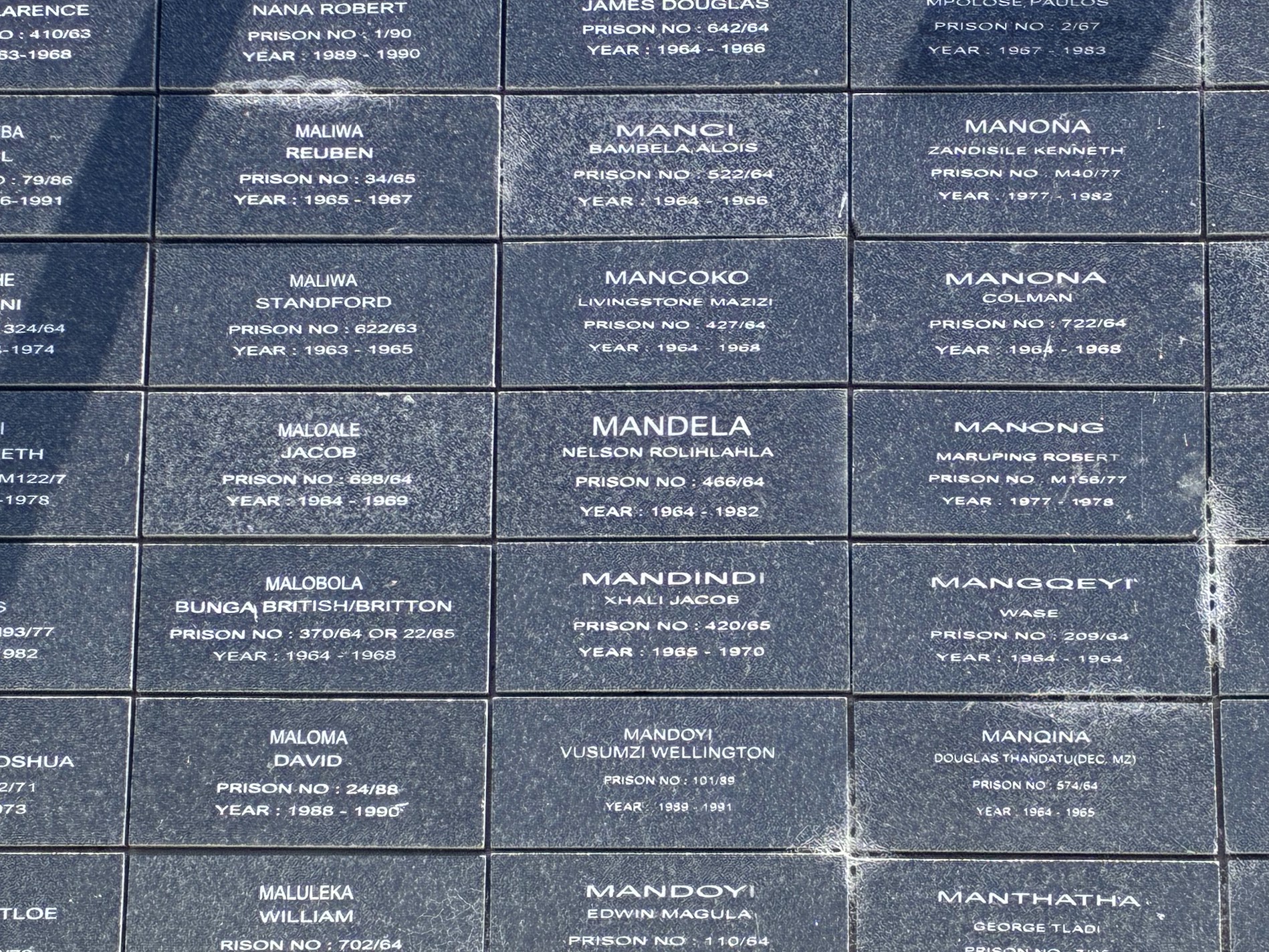
Nelson’s Mandela’s memorial plaque