
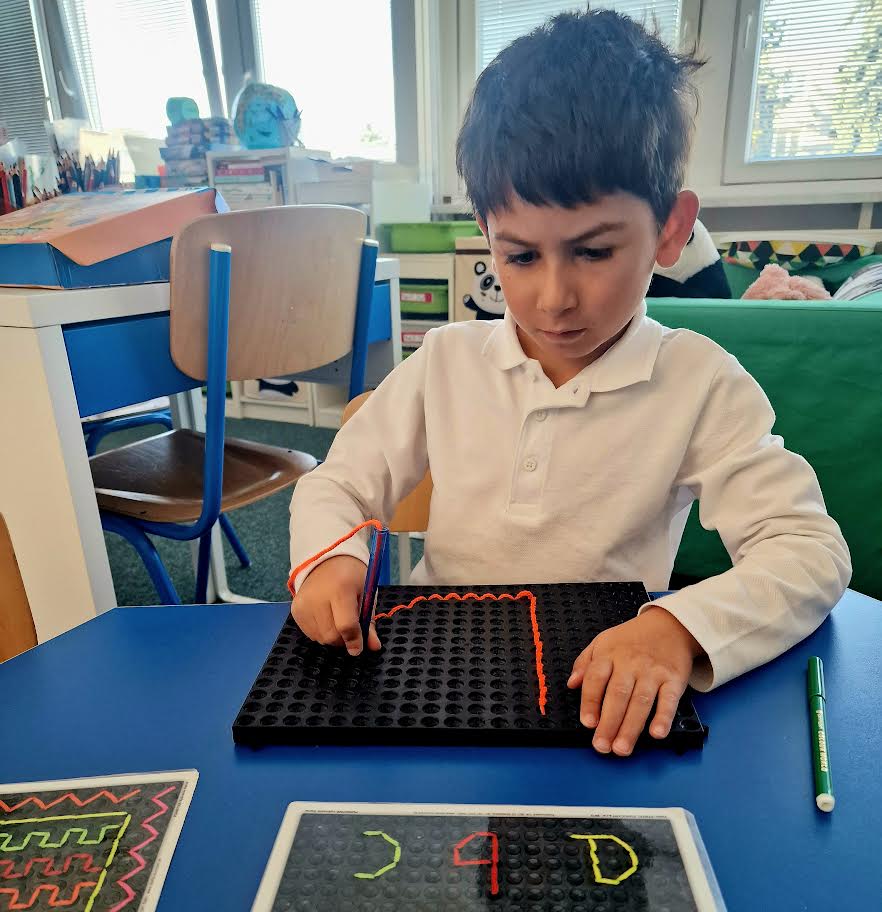
Why Fine Motor Skills Matter in Early Childhood
Fine motor skills are the small hand and finger movements children use every day — holding a pencil, buttoning a shirt, cutting with scissors, or tying shoes. They may seem small, but they play a big role in your child’s learning and independence.
Why Are They Important?
- School success: Writing, drawing, and coloring become easier and more enjoyable.
- Independence: Children can dress, eat, and take care of themselves.
- Confidence: Mastering tasks gives children pride and motivation.
- Creativity: Kids can express themselves through art, building, and play.
What If Fine Motor Skills Don’t Develop on Time?
Children who struggle with these skills often:
- Avoid writing, drawing, or coloring
- Get frustrated with scissors or puzzles
- Complain that their hand “hurts” or gets tired
- Struggle with buttons, zippers, or shoelaces
- Feel embarrassed or lose confidence in class
Over time, this can even affect their reading, math, and overall school progress.
How Parents Can Help
The good news: practice can be fun! Here are simple activities to strengthen hand and finger muscles:
- Playdough, clay, or slime — squeezing and shaping builds strength
- Cutting and gluing crafts
- Threading beads or using lacing cards
- Lego, blocks, or puzzles
- Coloring and drawing (let them experiment freely)
- Outdoor play — climbing, catching, and ball games also help
Fine motor skills aren’t just about neat handwriting — they’re about independence and confidence. Practice a little every day, keep it playful, and praise your child’s efforts. With support, children can master these skills and enjoy learning without frustration.
Ms. Eva Gogova