Play: The Secret Ingredient to Preschool Success

When you picture preschool, you might imagine colourful blocks, finger paints, dress-up corners, and playground laughter. To some, this can seem like “just play.” But the truth is, play is the way young children learn best—it’s where curiosity meets growth.
Think about a child building a tower of blocks. It looks simple, but in that moment they’re testing balance, experimenting with cause and effect, and laying the groundwork for math and science skills. If the tower falls, they learn resilience; if it stands, they feel the pride of success. The same happens when children play “store” or “restaurant”—suddenly they’re counting, using new vocabulary, and negotiating roles with their friends.
These playful experiences are also powerful for social and emotional development. Children quickly discover that play works best when everyone is included, when they share materials, and when they find ways to solve disagreements. Through these small but important moments, they’re learning empathy, patience, and teamwork—skills that will serve them for life.

At the same time, play nurtures creativity and imagination. A cardboard box becomes a rocket ship, a blanket turns into a cape, and suddenly children are inventing stories, exploring possibilities, and thinking in flexible, innovative ways. This kind of imaginative play not only fuels joy but also strengthens problem-solving skills they’ll carry into their future classrooms.
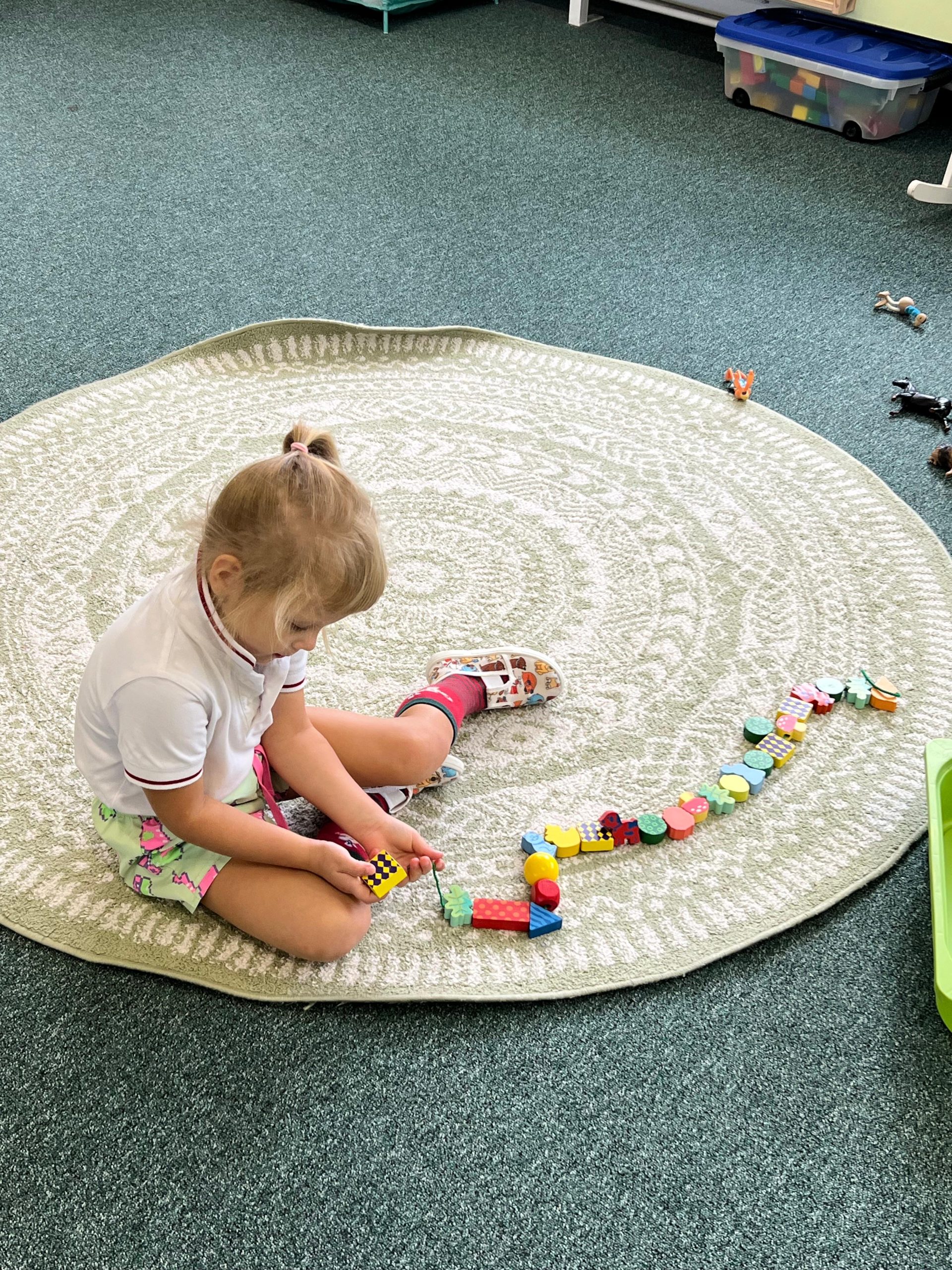
Of course, play is also about the body. Running outside, climbing, painting, or even cutting with scissors develops both large and small muscles. These physical skills are just as important as cognitive ones, helping children grow strong, coordinated, and ready for everyday tasks like writing or self-care.
 Perhaps most importantly, play gives children the confidence to try, to risk, and to discover. Each time they explore a new game, solve a tricky puzzle, or invent their own rules, they feel capable and independent. That sense of “I can do this” becomes the foundation for a lifelong love of learning.
So when you see a preschooler lost in pretend play or covered in paint, remember—this is not a pause from learning. It is learning in its richest, most meaningful form. Through play, children discover the world, build relationships, and grow into confident learners. And by embracing the power of play, we give them the strongest possible start in both school and life.