The Value of Messy Play in Preschool
In preschool, learning doesn’t always look neat—and that’s a good thing. Messy play is a valuable part of early childhood education, giving children the freedom to explore, create, and learn through hands-on experiences. 


Messy play includes activities like playing with paint, sand, water, mud, or playdough. While it may look simple, these experiences support important areas of development. As children touch, squeeze, pour, and mix, they are strengthening their fine motor skills and building coordination.
Beyond physical development, messy play encourages curiosity and creativity. Children are free to experiment, make choices, and express themselves without worrying about getting things “right.” This helps build confidence and independence as they explore materials in their own way. 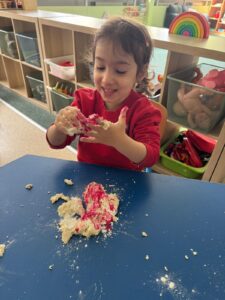
Messy play also supports sensory development. By experiencing different textures, temperatures, and materials, children learn more about the world around them. These sensory experiences are especially important for brain development in the early years.
Just as importantly, messy play can be calming and enjoyable. It allows children to relax, focus, and engage fully in the moment.
While it may require a little extra clean-up, the benefits of messy play are well worth it. By giving children the opportunity to get messy, we are supporting their learning, creativity, and overall development in a meaningful way.