
Decoding Brain Rot: ᵁⁿᵈᵉʳˢᵗᵃⁿᵈⁱⁿᵍ ᴹᵒᵈᵉʳⁿ ˢᵒᶜⁱᵃˡ ᵀʳᵉⁿᵈˢ
In our Individuals and Societies unit, students recently completed a project exploring the growing influence of online trends, digital platforms, and the phenomenon widely known as “brain rot.” As highlighted in recent discussions by psychologists and educators, this trend reflects “the narrowing of focus caused by constant exposure to shallow, fast-paced information,” which is particularly impactful for children and teenagers. This project aimed to help students recognise these risks and understand how emerging digital habits shape our societies.
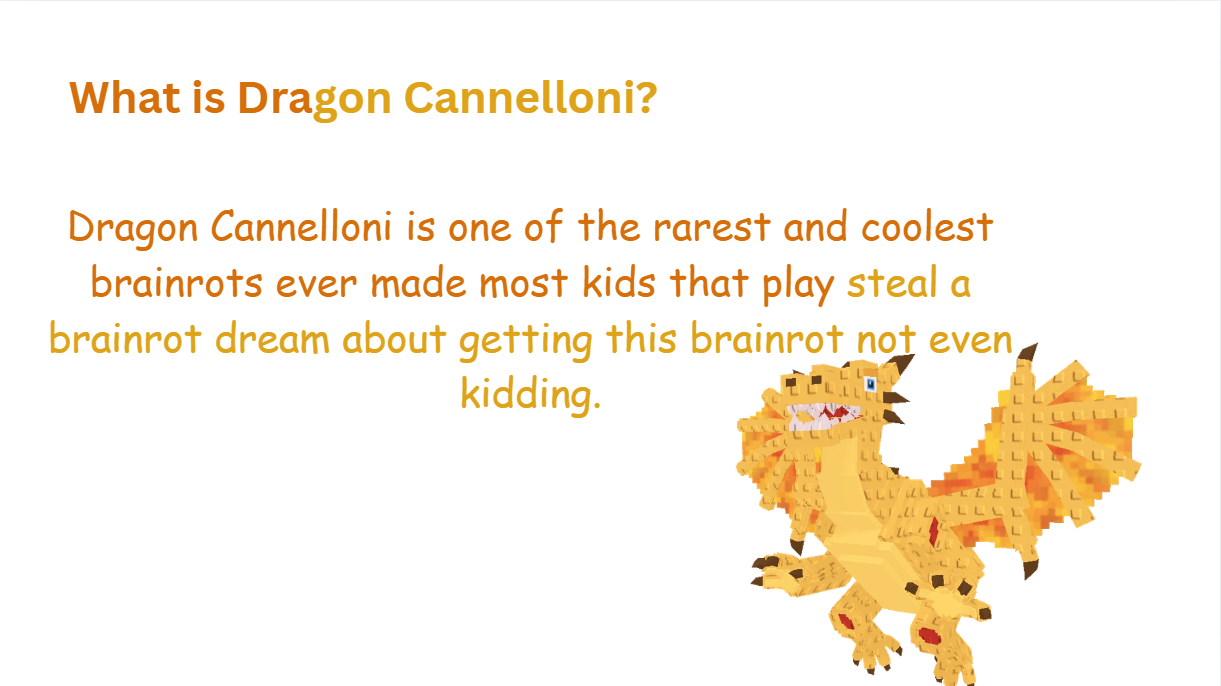
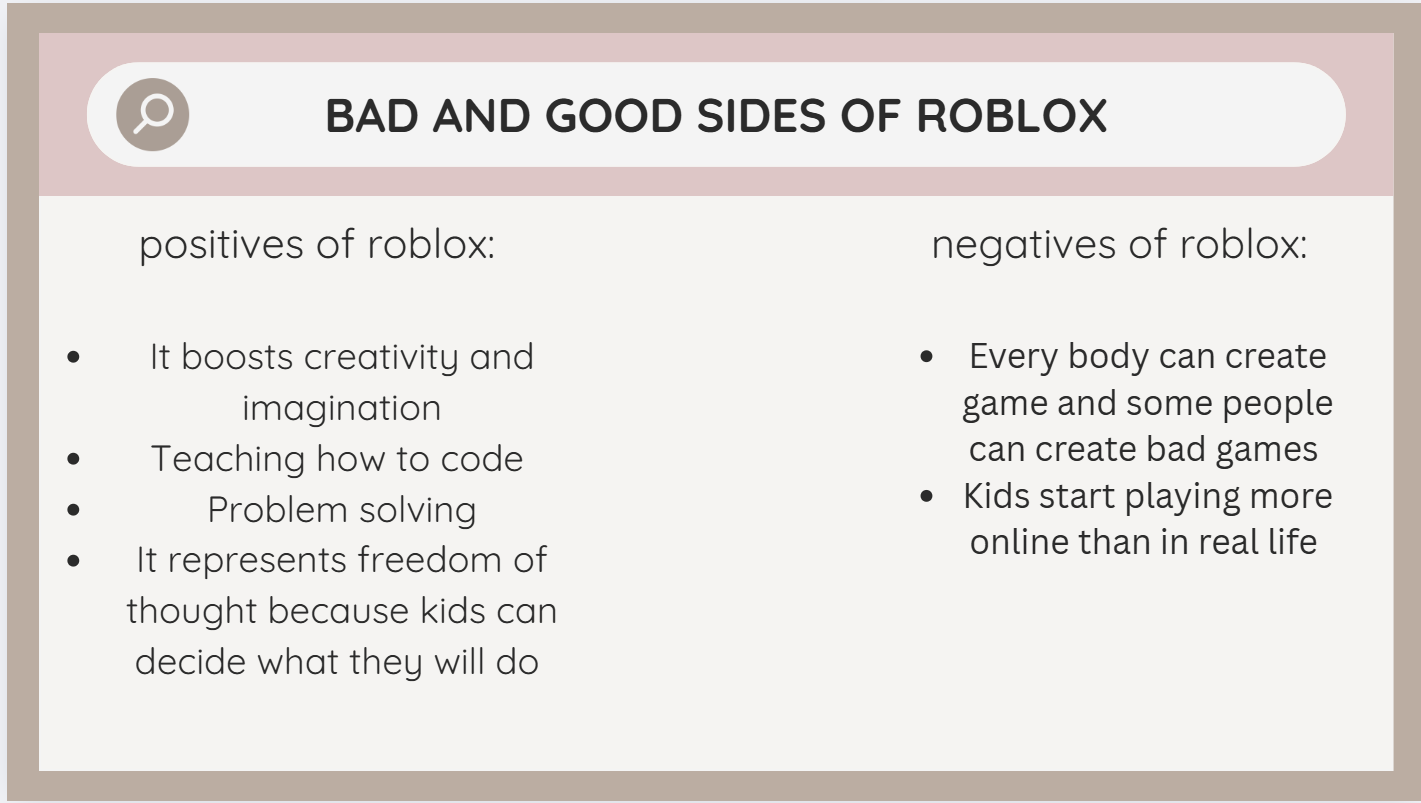
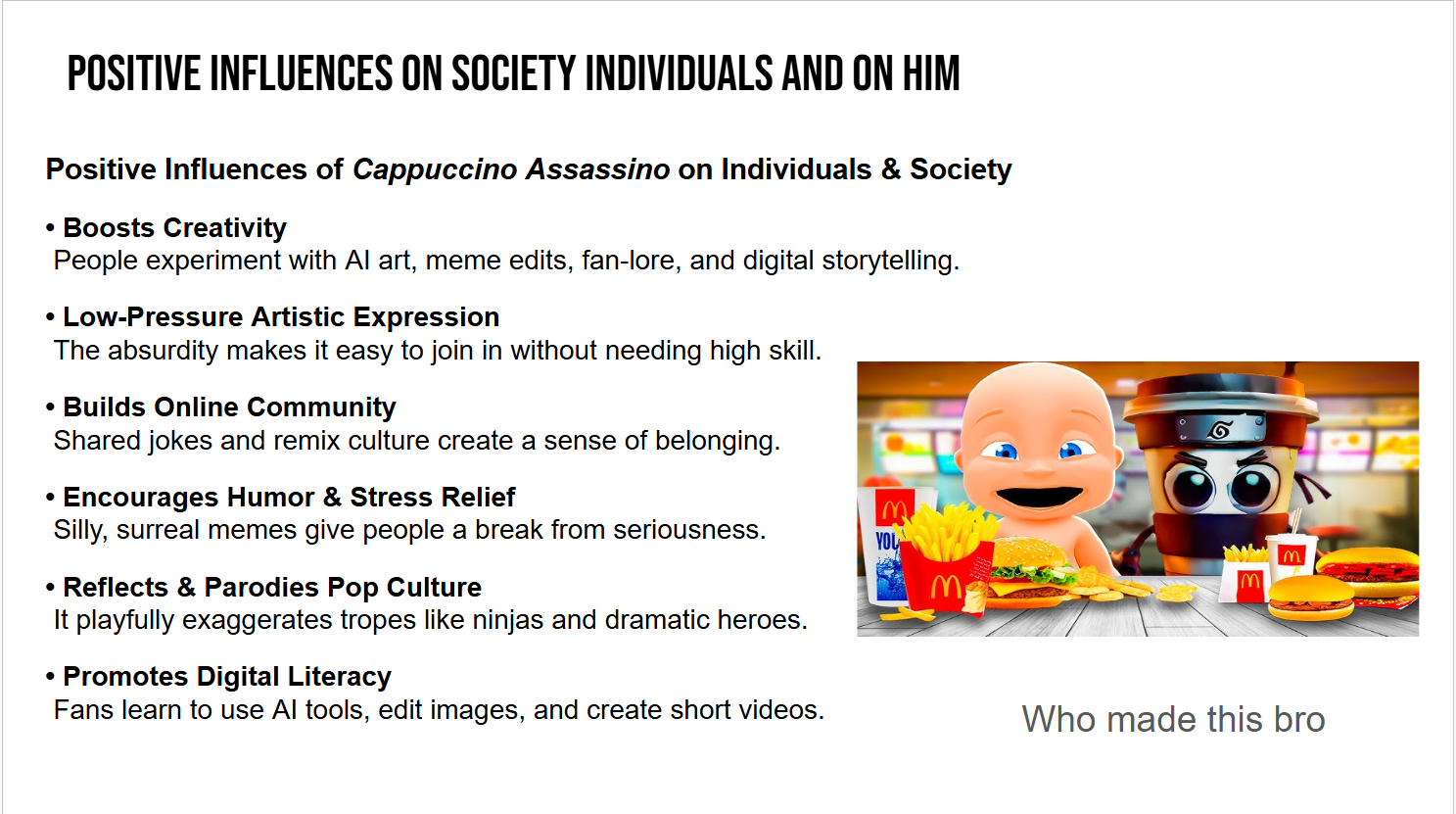
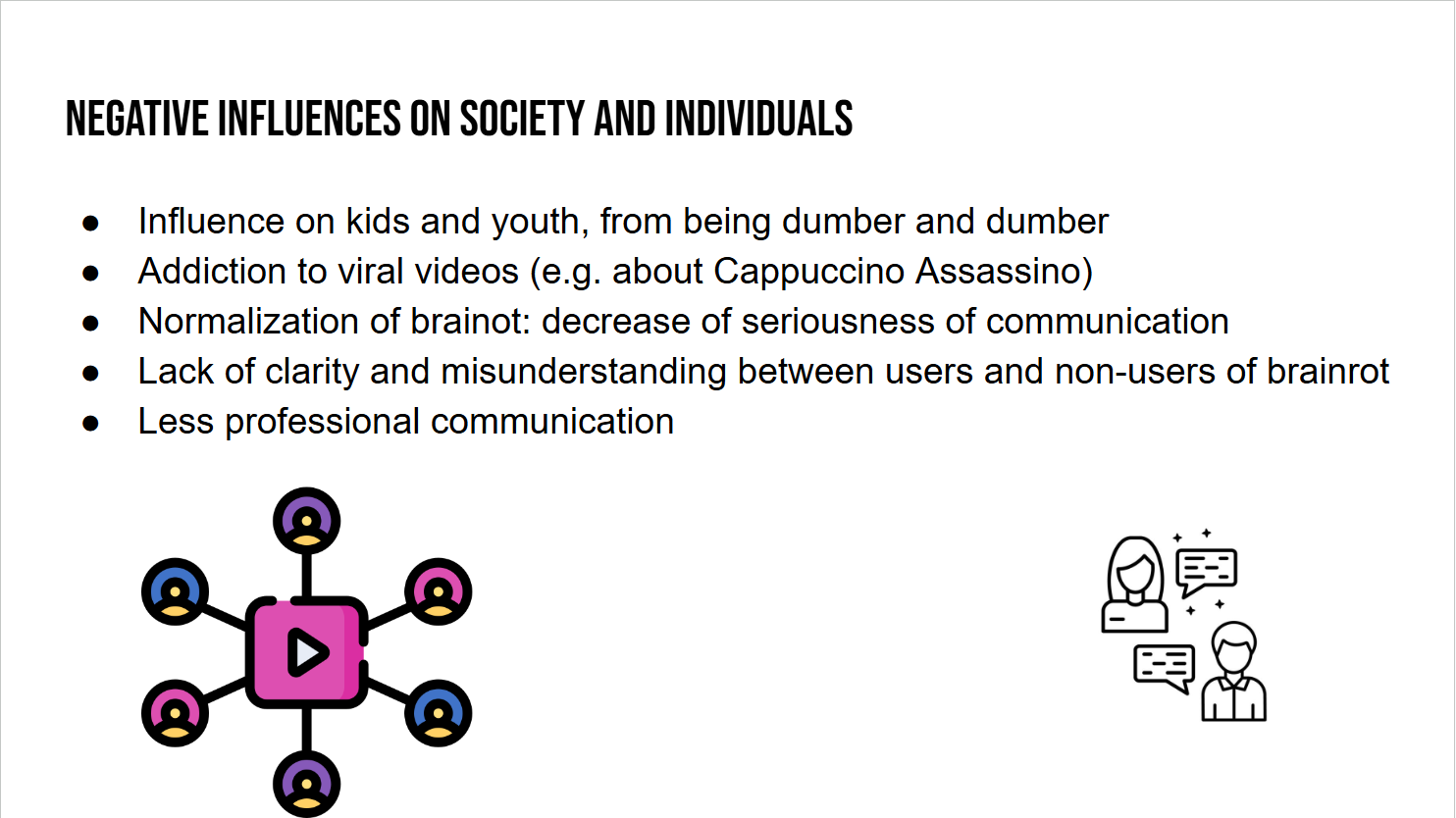
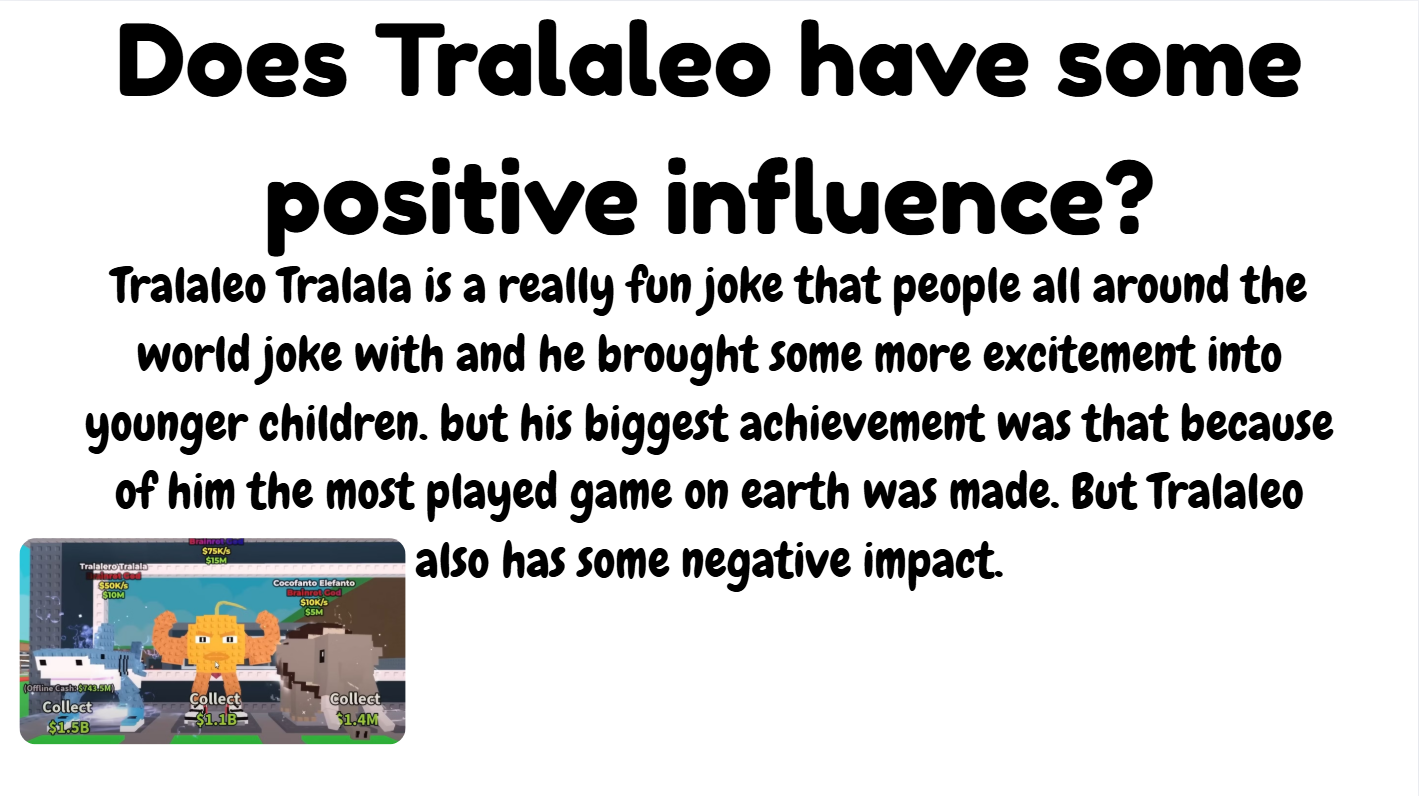
 Students began by researching and presenting the trend or platform they selected, from viral challenges to algorithm-driven apps. They explained what these trends look like, how they spread, and why so many young users engage with them.
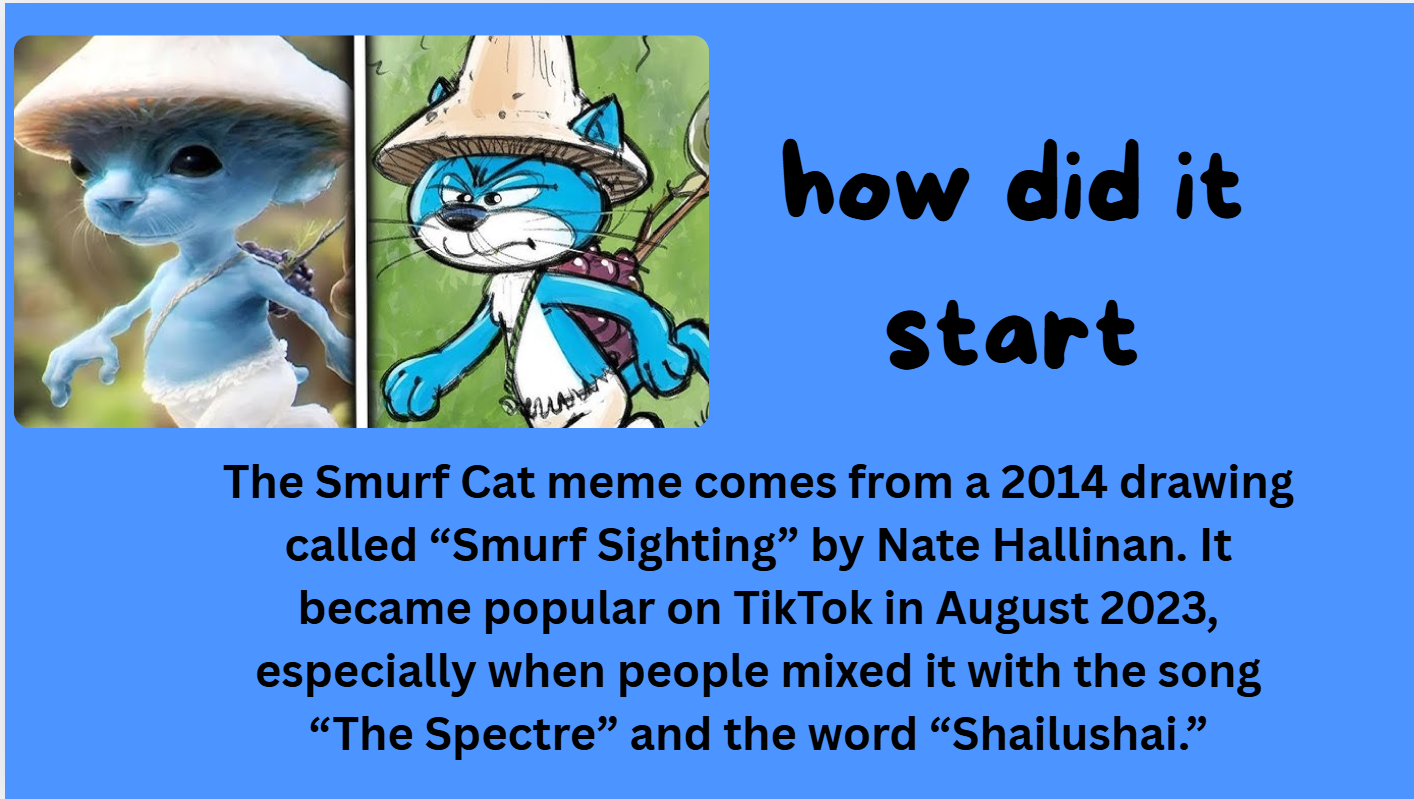

Through their presentations, students demonstrated a clear understanding of how quickly online content can influence behaviour, communication, and attention.
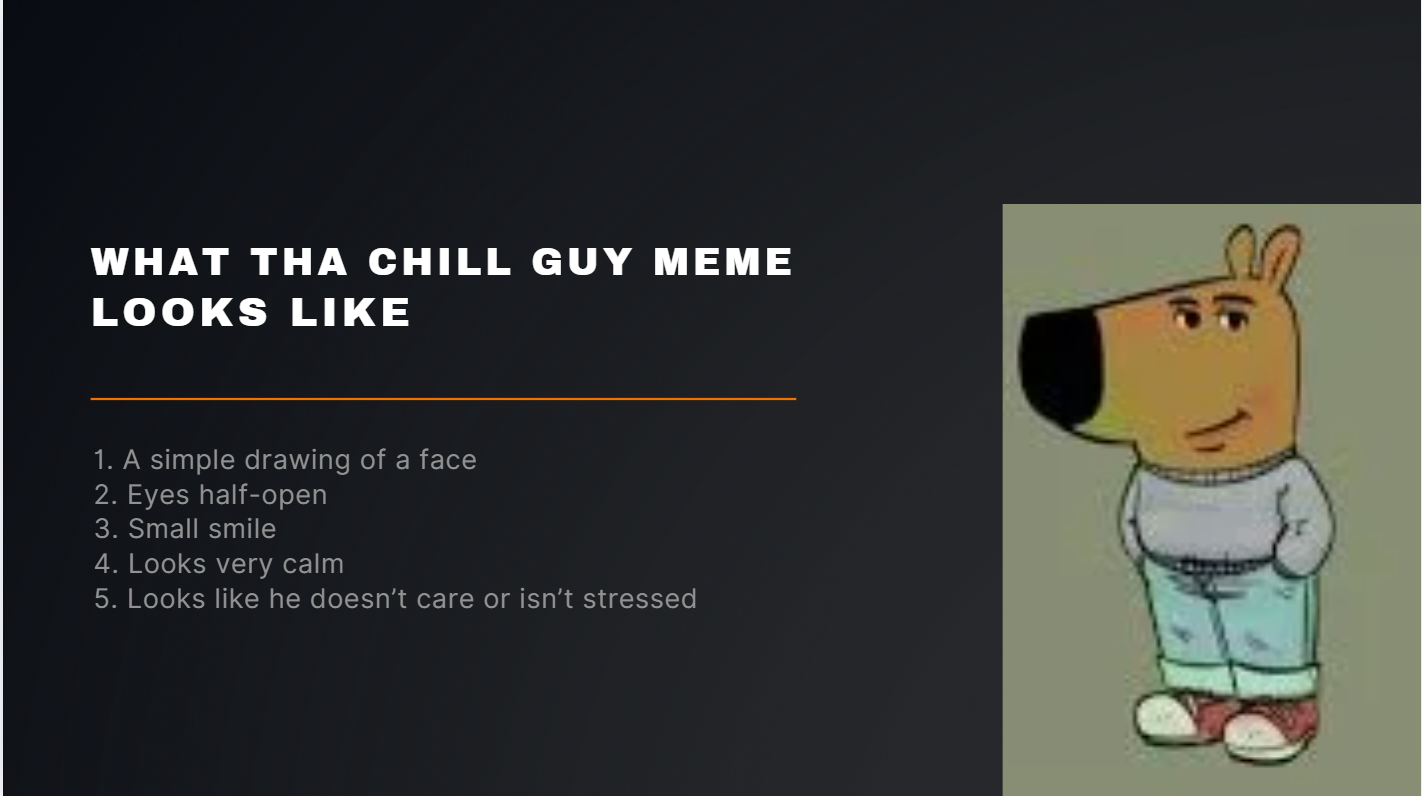
Students analysed how their chosen trends affect societies, especially children and adolescents. They described both positive aspects, like creativity and connection, and negative consequences, such as reduced attention spans, emotional overload, or unhealthy patterns of behaviour.
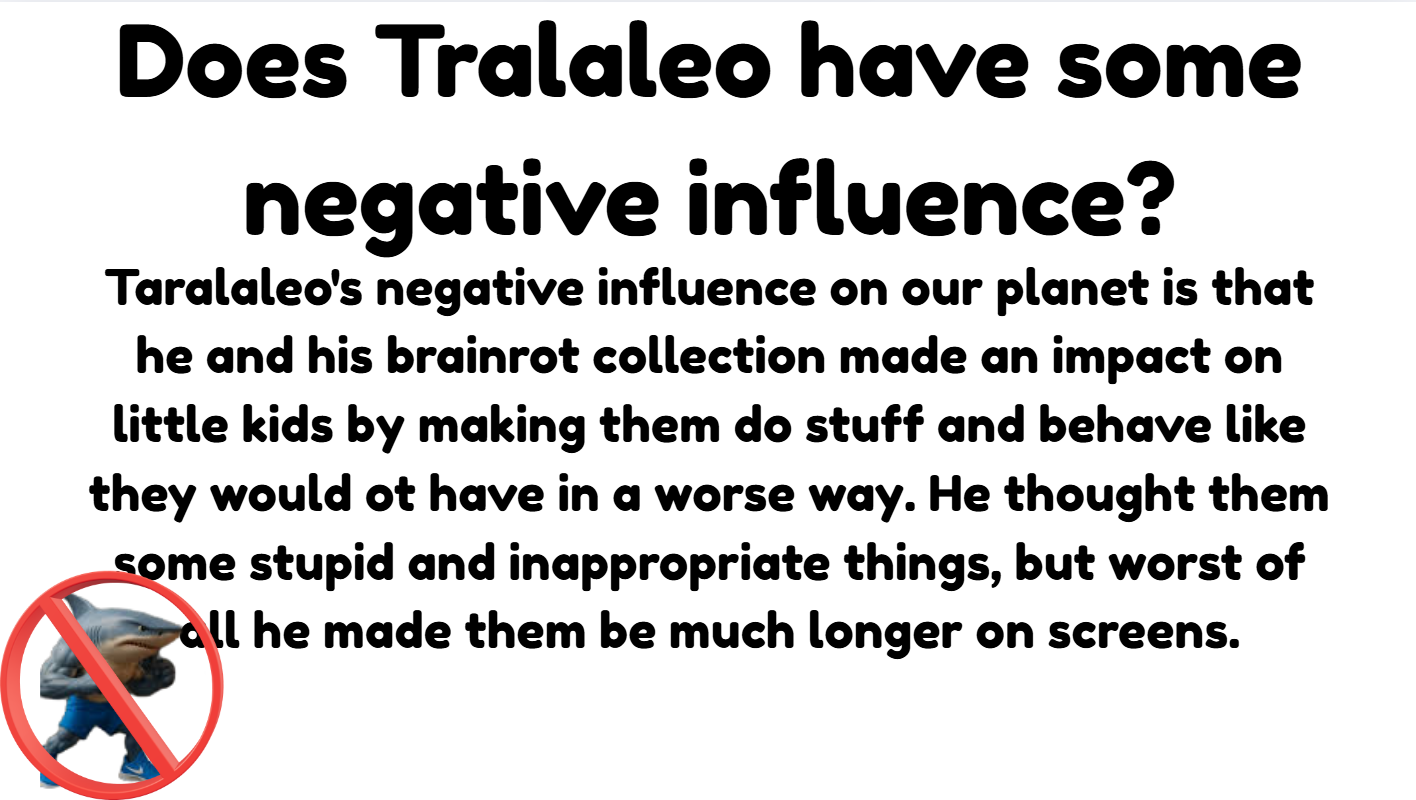
For the final step, students were asked to connect their chosen trend to a specific human right. Their reflections included issues such as the right to privacy, protection from harmful content, freedom of expression, and access to reliable information. By making these connections, students recognised that online trends don’t exist in isolation, they directly relate to the rights and responsibilities we hold as digital citizens.
Here are some photos of the presentations from class.