Learning Through Play: The Power of Plasticine in Language Learning
Plasticine can be much more than just a creative activity. In our Primary Slovak Language Acquisition lessons, we use it as a hands-on and highly effective didactic tool that helps students learn new vocabulary in a meaningful and memorable way.
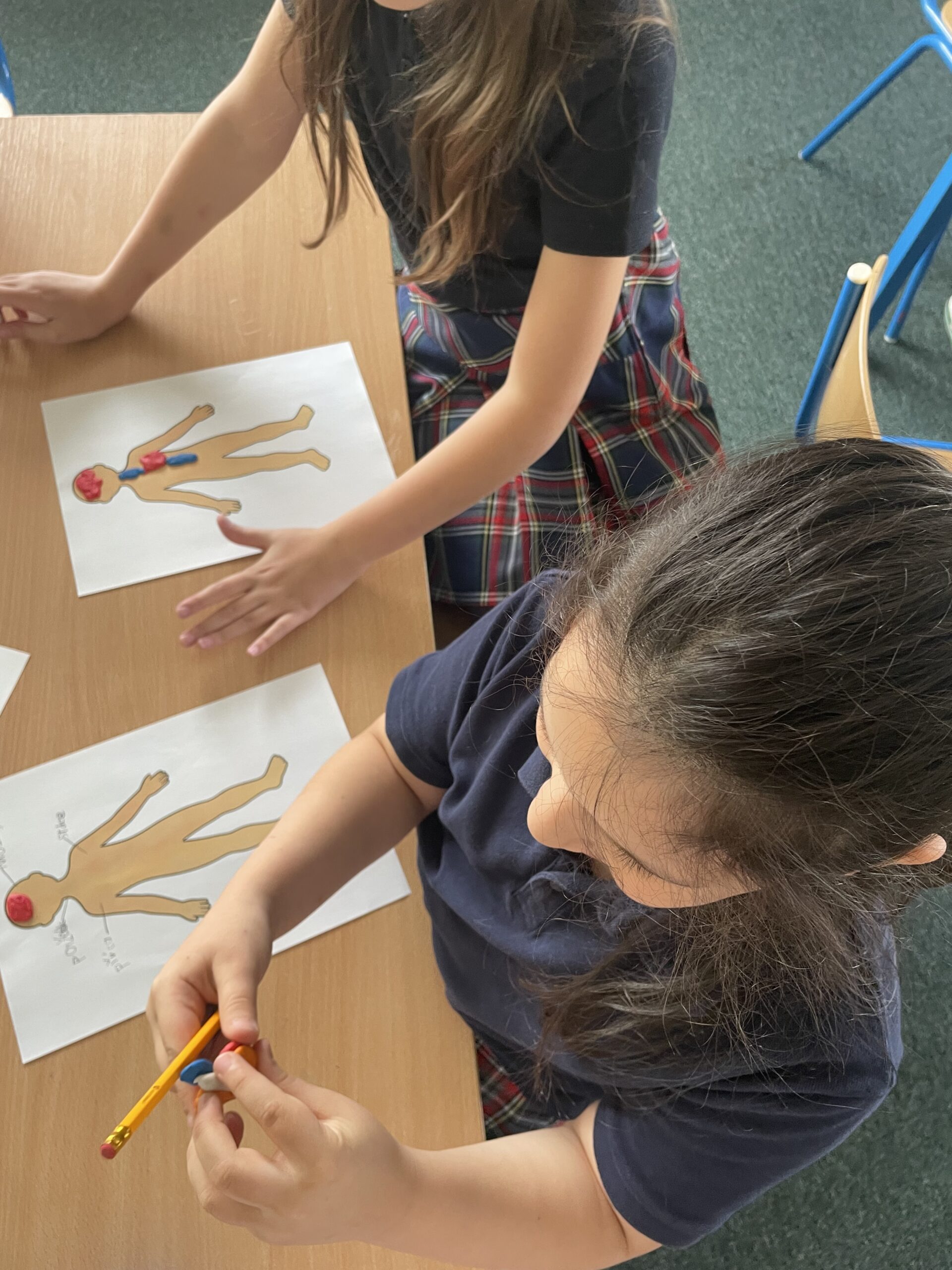
As part of their Unit 1, our Year 4 students are exploring the topic of a healthy lifestyle. Throughout the unit, they are learning and using Slovak vocabulary related to fruit, vegetables and the human body. To make their learning more hands-on, the students used plasticine to create different human organs, giving them an opportunity to practise the vocabulary they have been learning throughout the unit. They already know how to name the organs in Slovak and are gradually becoming more confident in using this vocabulary in different contexts.
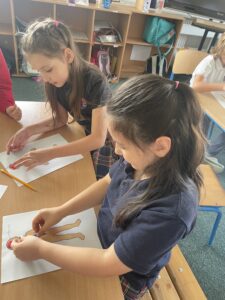
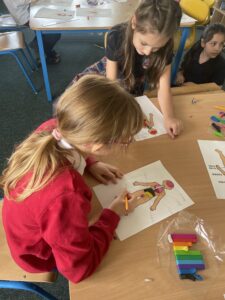
From Vocabulary to Creations:
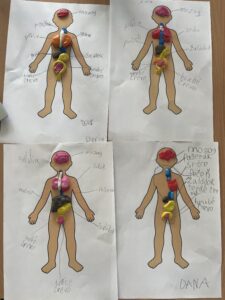
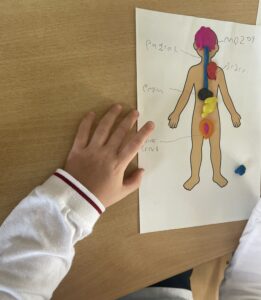
This hands-on approach also reflects the IB approach to learning, where students are encouraged to be active participants in their learning and make meaningful connections between knowledge and real-life experiences. By creating, experimenting and communicating, students develop not only their language skills but also their creativity, collaboration and learner agency. Activities like these help students understand that learning can happen through exploration, action and reflection, not only through textbooks and worksheets.
Our Year 2 and Year 3 students also discovered that plasticine can make language learning more engaging and memorable.
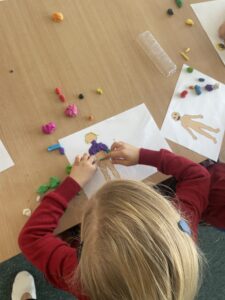
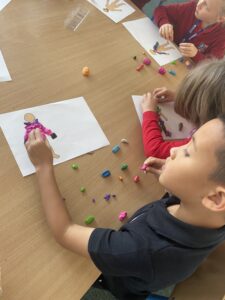
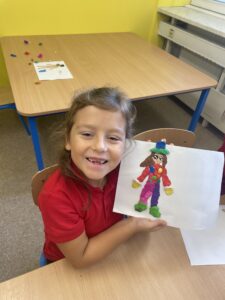
Our Year 2 students were introduced to colours and basic clothing vocabulary, using plasticine to create and dress their own characters. They explored different colours and practised naming basic items of clothing in Slovak.
Our Year 3 students used the activity to consolidate vocabulary they had already learned and extend it by learning new words related to clothing and appearance. They designed outfits according to their own ideas and then described what their characters were wearing, using their growing Slovak vocabulary.
In both year groups, plasticine gave students an opportunity to learn through creating, speaking and using language in a meaningful context.
From Learning to Creating:
These activities show how creative, hands-on learning can support language acquisition, vocabulary retention and communication skills. When students can touch, create, manipulate and talk about what they are making, language becomes m ore concrete and connected to a real experience.
Plasticine therefore becomes more than a craft material — it becomes a tool for learning, communication and creativity.