How Our History Students Met Their First Mesoamerican Source
Mid-September brings a profound moment of reflection and celebration across Latin America as Mexico, Guatemala, and neighboring Central American nations mark their independence from Spain. As a Guatemalan mestizo, carrying these deep cultural roots into the classroom, I find this season ideal for exploring identity, memory, and the complex ways history gets recorded. Long before modern national borders existed, rich civilizations flourished across Mesoamerica, leaving behind complex artifacts that demand our critical eye today.
This week, our DP History and AP History students stepped into the shoes of practicing historians as they confronted their first primary Mesoamerican source: the opening page of the Codex Mendoza . Depicting the foundation of Tenochtitlan, the document features the iconic eagle perched atop a nopal cactus, surrounded by Mexica warriors, leaders, and intricate calendar glyphs.
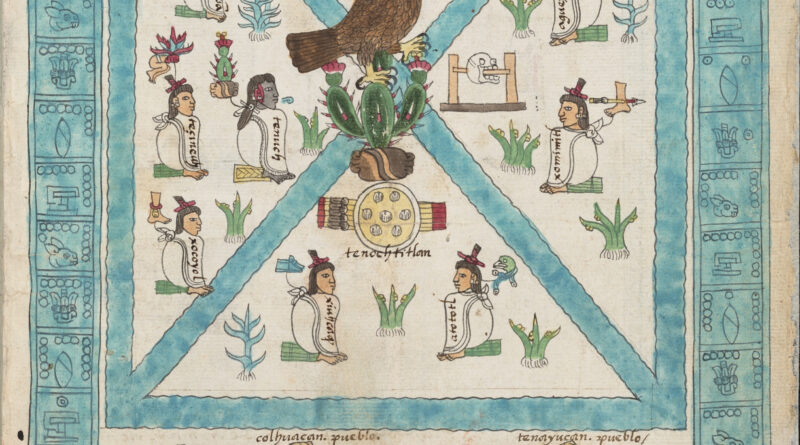
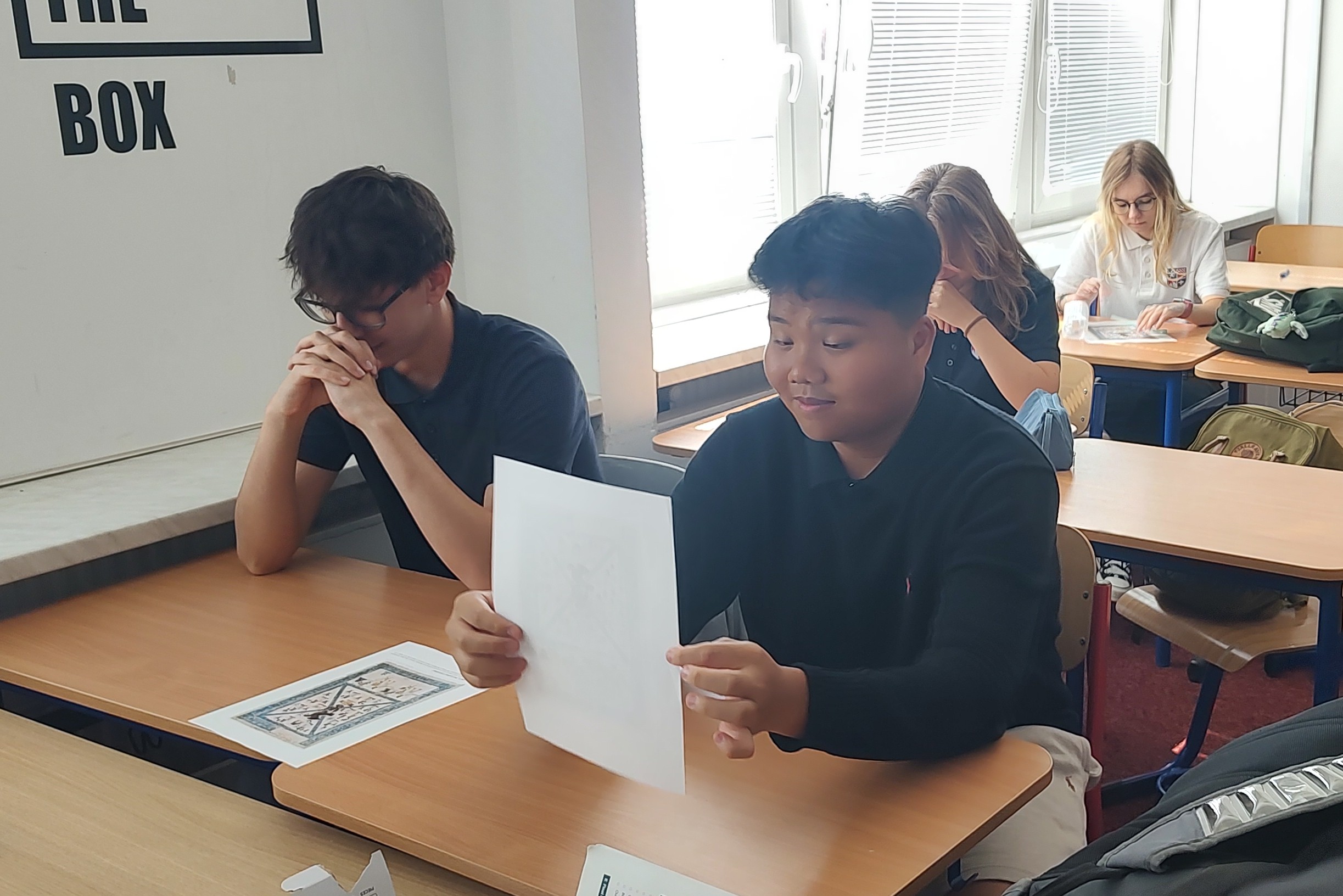
The DP History cohort dove headfirst into decoding the visual evidence. Tom immediately picked up on the specific Mexican art style, identifying the distinct pictorial conventions used by indigenous artists. Zuzana was the first in the room to spot the Spanish text written alongside the glyphs, which instantly turned our attention to the context of the document’s creation. Vincent was eager as always to share his continuous observations, adding momentum to the debate, while Victoria anchored the group by helping guide their overall analysis. Even though Artem was not present for this specific day of analysis, his key highlights throughout our ongoing Mexica Empire lessons provided much of the rich background knowledge the class relied on.
When it came time to synthesize the investigation, AP History students Lina and Alexandra were outstanding at putting together the values and limitations of the source. They balanced the immense value of having indigenous tlacuilos (scribes) preserve their own history against the clear limitations of a document commissioned around 1541 by Spanish Viceroy Don Antonio de Mendoza.
By dissecting these layers together, our students transformed from passive readers into active historical critics. Whether examining ancient Mesoamerican codices or 19th-century independence movements, they are building the essential human skills of questioning perspectives, reading between the lines, and evaluating who gets to tell the story.