From Aztlán to the Flag: Ancient Myth Shapes Modern Identity
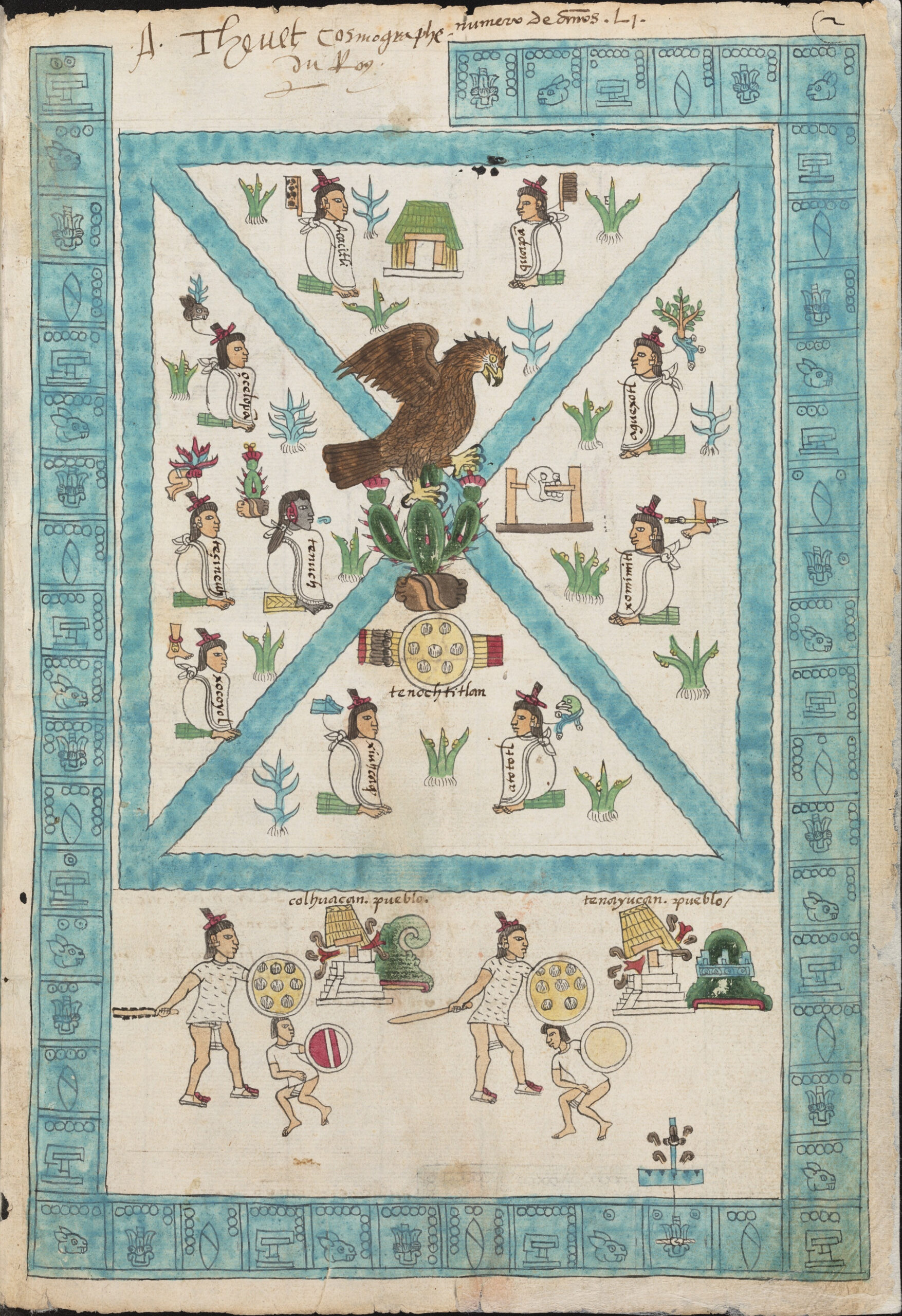
According to Mexica tradition, their ancestors embarked on a centuries-long migration from the mythical northern homeland of Aztlán, guided by their patron deity Huitzilopochtli. The god promised them a specific sign to mark the end of their arduous wanderings: an eagle perched atop a nopal cactus growing out of a stone in the middle of a lake, devouring a serpent.
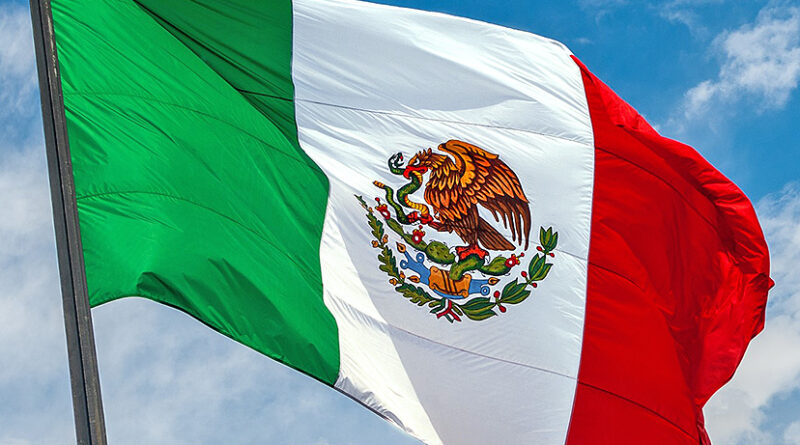
This iconic image was far more than a simple origin story. In pre-European contact Mesoamerica, it served as a profound spiritual and political symbol of sacred authority and cosmological balance. Centuries later, following independence from Spain, this very emblem was chosen to sit at the center of the modern Mexican flag. It created a direct symbolic bridge connecting a modern nation-state to its pre-Columbian roots.
The Classroom Connection
During our recent history lessons, our History students made this connection entirely on their own. As we analyzed the migration narratives and early iconography of the Valley of Mexico, a wave of recognition swept through the classroom. Students realized that the symbol printed on modern passports, currency, and flags was the exact same visual marker used by indigenous chroniclers nearly seven hundred years ago.
Watching students bridge that gap in real-time was a stunning moment of intellectual discovery. They began asking probing questions:
-
Why do modern nations reach back into ancient indigenous mythology to construct their official identity?
-
How does the meaning of a sacred symbol transform when moved from a pre-Columbian myth to a national banner?
Identity, History, and EISB Values
As a teacher, these are the exact moments I strive to foster. History is not a static collection of dates stored away in textbooks; it is a living, breathing dialogue between the past and the present. Nations construct their identities through shared stories, and understanding those mechanisms is essential for navigating today’s global landscape.
At EISB, this exercise aligns directly with the core learning values we cultivate every day:
-
Critical Inquiry: Encouraging students to look beyond surface-level national symbols and investigate their historical origin points.
-
Cultural Empathy: Fostering a deep respect for indigenous traditions and their enduring influence on modern global cultures.
-
Open Dialogue: Creating space for students to debate how historical narratives shape our contemporary understanding of self and society.
When our students learn to trace a modern national emblem back to the marshy shores of Lake Texcoco, they are practicing high-level historical analysis. More importantly, they are building the essential human skills of perspective-taking, critical questioning, and international-mindedness that will serve them long after they leave our classrooms.