Learning Through Investigation: Exploring the Science of Water Flow
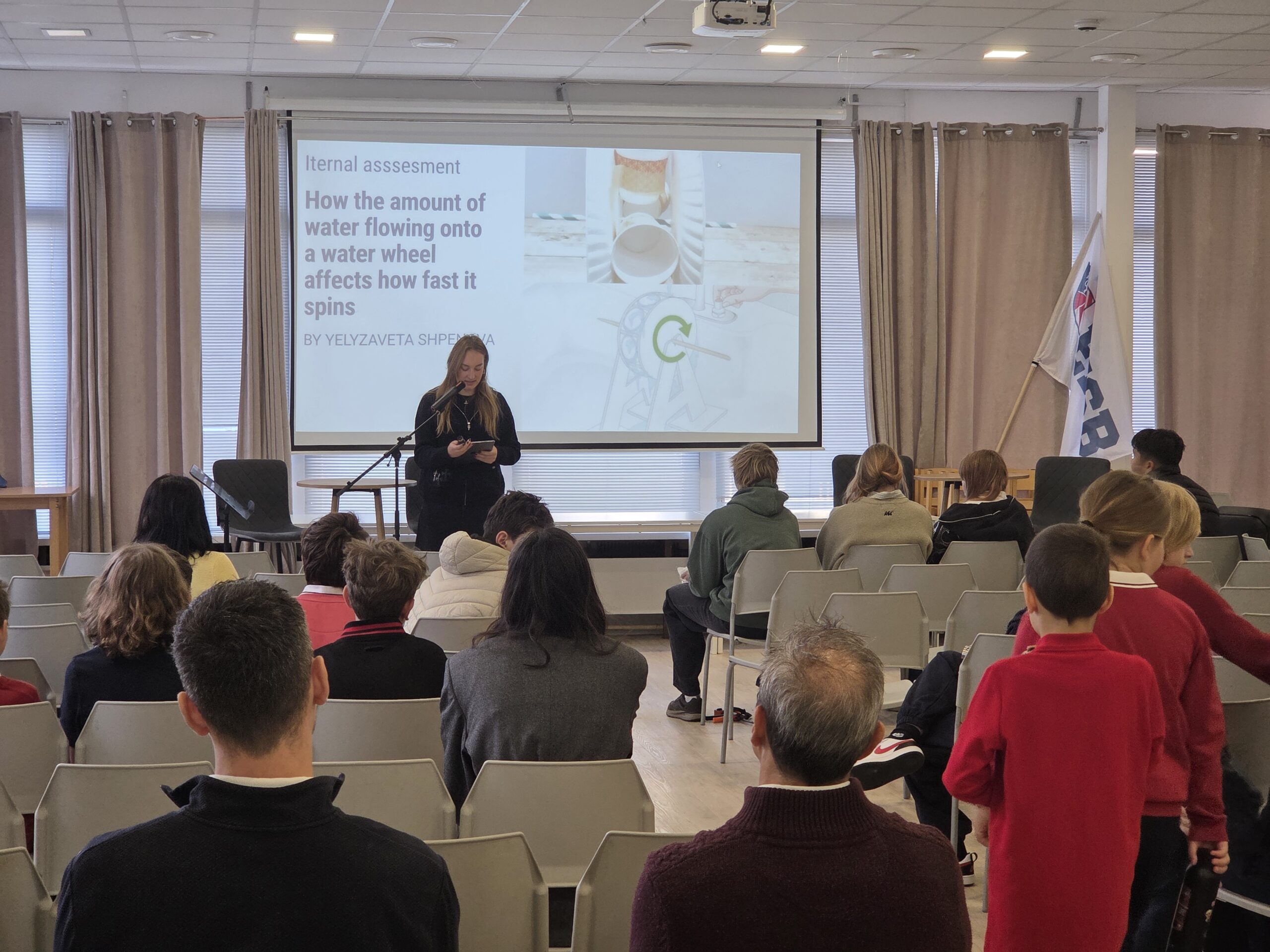
Learning becomes more meaningful when students take an active role in exploring scientific ideas. During this presentation, Lisa shared an experimental investigation examining how different water flow rates affect the rotations of a water wheel.
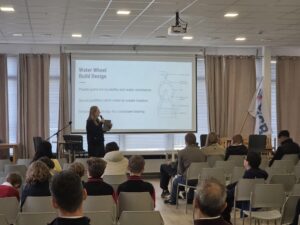
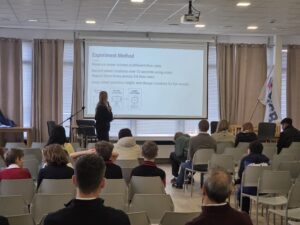
Lisa’s outlined a clear experimental method: measuring water volume at different flow rates, recording the wheel’s rotations over 10 seconds using video, and repeating the process three times across five to six different flow rates. She also highlighted the importance of keeping variables such as the wheel’s position, height and design constant to ensure a fair and reliable test.
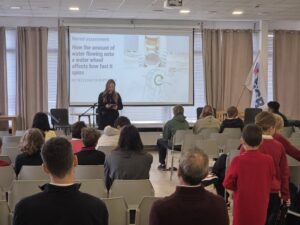
It was encouraging to see scientific thinking in action, as Lisa explored how to collect data, control variables, repeat measurements and obtain reliable results. Activities like this develop curiosity, critical thinking and practical research skills, reminding us that science is not just about learning theories but also about asking questions, testing ideas and discovering answers through experimentation.
A great example of learning through inquiry and hands-on scientific investigation!


