
How to Teach Generation Alpha and Beta
| You know the feeling: while we could spend hours as kids flipping through books or listening to stories, today’s children switch their attention at lightning speed, want to see everything with their own eyes, and meet every task with the inevitable question: “What will I ever need this for?”
No, it isn’t because they are misbehaving. Generation Alpha and Beta are children born with smartphones at their fingertips whose brains operate on slightly different wavelengths. In the course “Generation Alpha and Beta in School Desks”, lecturer Mgr. Nikola Barčíková, PhD. introduces educators to this generation and helps them gradually transform their perspective on students and lesson structures, which undeniably need to change for these new learners. |
Who Are Our Little “Alphas” and Why Does the Old School Approach Not Suit Them?
Today’s children grow up in a world overflowing with vivid colors, sounds, and immediate reactions. Their brains develop in a way where emotions frequently outpace cool logic— they experience anger, joy, or a sense of unfairness intensely and immediately.
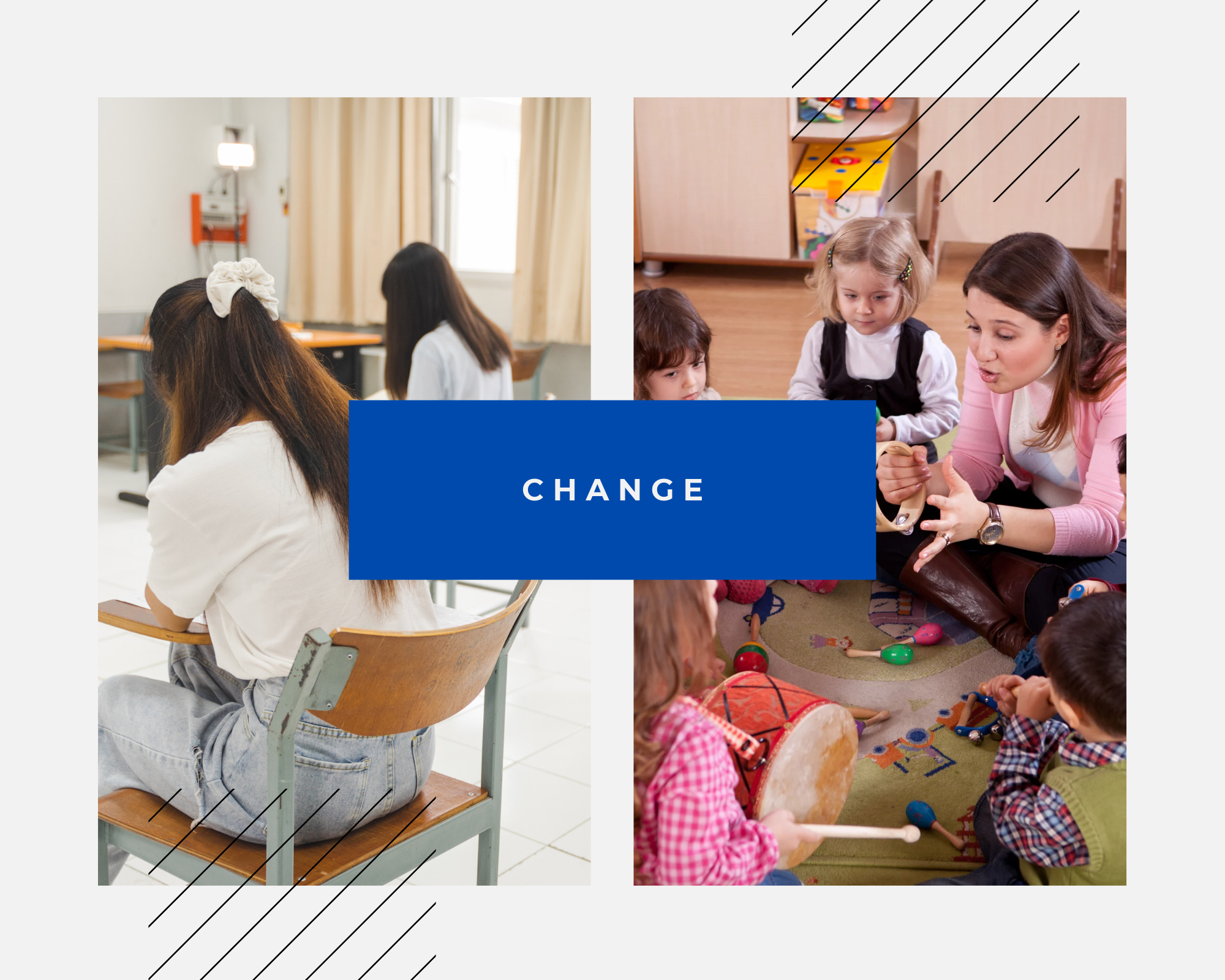
When you place such a child in front of a teacher who lectures monotonously at the board for 45 minutes and demands rote memorization of textbook rules, the exact thing we all know happens: their attention switches off, and boredom or disruption sets in. Today’s children’s brains simply refuse to store information that doesn’t make sense to them or requires them to just sit passively. On top of that, every child in the classroom is different, so a “one-size-fits-all” approach stopped working a long time ago.
How to Take the “New” Approach in Everyday Practice?
- Bite-sized learning (microlearning): Instead of exhausting lectures, lessons are split into short 5- to 10-minute dynamic blocks. We spend a few minutes discovering, then moving, discussing, and creating, keeping attention continuously fresh.
- School as an adventure quest (gamification): Who doesn’t love games and challenges? Assignments are transformed into detective scavenger hunts, clue collecting, and team missions, turning learning from a chore into an engaging experience.
- See it, touch it, experience it: Abstract rules are replaced with comics, visuals, hands-on experiments, and real-life stories. Children grasp fractions much faster when experimenting with pizza models, or learn social etiquette by exploring the story of an offended sour grape.
- Mistakes are no longer scary: We teach children that making a mistake is completely natural and an essential part of discovery. This builds a supportive environment where no one feels afraid to raise their hand and try again.
We believe that school should be a safe space where children grow, learn to collaborate, and discover the world with a spark in their eyes!

