How a Camp Sets the Stage for the 2026/27 School Year
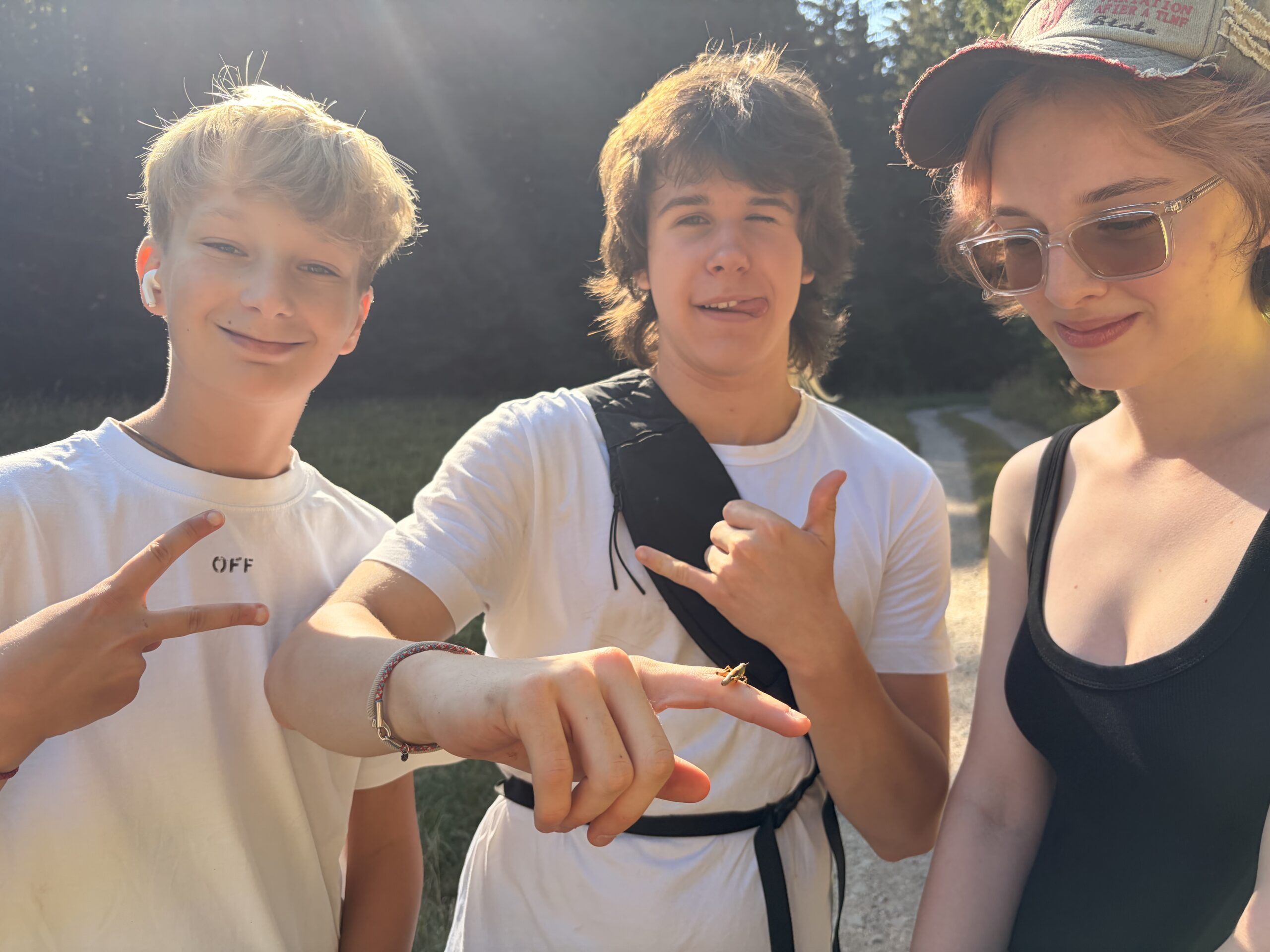
As we kick off the 2026/27 academic year, our high schoolers did not start their journey within the four walls of a classroom. Instead, we stepped out into nature for our annual start-of-year camp.
As an anthropologist and humanities teacher, I often remind my students that human societies aren’t built on isolated note-taking; they are forged through shared experiences, dialogue, and mutual trust. Watching our students step away from their digital screens and enter a shared physical space provided a front-row seat to the real magic of education: raw human interaction.
Socialization Beyond the Seating Chart
In a traditional classroom setting, social dynamics can quickly solidify. Students sit next to familiar faces, falling into comfortable routines. A camp shatters those artificial boundaries. Whether setting up group activities, sharing meals, or navigating team challenges, students are forced to mingle outside their usual peer groups.
These shared moments create low-stakes environments where empathy thrives. Students who rarely spoke in class last year suddenly find themselves laughing around a campfire or encouraging a teammate through an obstacle course, laying a foundation of trust that will carry directly into our group discussions this term.
Curiosity in the Wild
Curiosity is the heartbeat of the humanities, but it rarely flourishes under stress or rigid routine. Out in the field, away from graded rubrics and rigid bells, students naturally begin to observe, question, and explore:
-
Unscripted Discovery: Surrounded by a new environment, students naturally ask why and how , reigniting the intrinsic wonder that formal schooling sometimes dampens.
-
Observation Skills: Fieldwork in anthropology relies on keen observation; the camp environment trains students to pay attention to details, human behaviors, and natural systems around them.
Communication as a Survival Skill
In the classroom, communication can easily become a one-way street from teacher to student. At camp, communication becomes an immediate, practical necessity.
When a group has to solve an outdoor puzzle or coordinate a camp activity, passive listening is not an option. Students must articulate their ideas clearly, listen actively to competing viewpoints, and negotiate solutions in real-time. They learn that tone, body language, and active listening matter just as much as the words they choose. They aren’t just practicing for an oral exam, they are practicing the fundamental human skills required to navigate the world.
As we head back into the building to begin our academic units, we aren’t starting from scratch. We are returning as a cohesive community of curious, communicative, and connected young adults ready to tackle the big questions of the year ahead.
Check more photos and experiences in Ms. Maria’s, Ms. Martina’s or Mr. Milan’s posts!!