Little History Detectives in Vienna: Discovering Ancient Egypt!!!
What happens when curious Year 3 minds meet objects that are thousands of years old? Lots of questions, excited conversations and a little detective work!
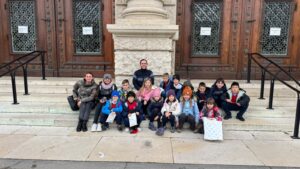
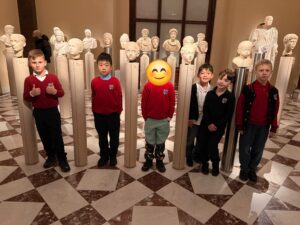
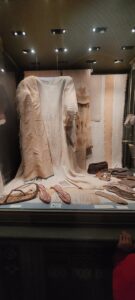
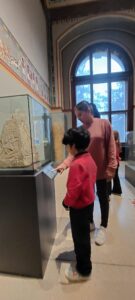
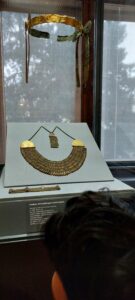
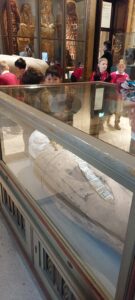
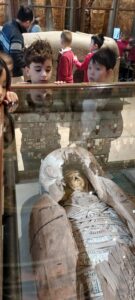
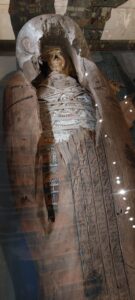
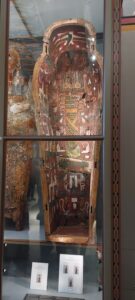
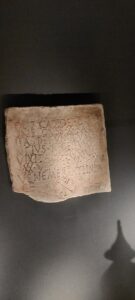
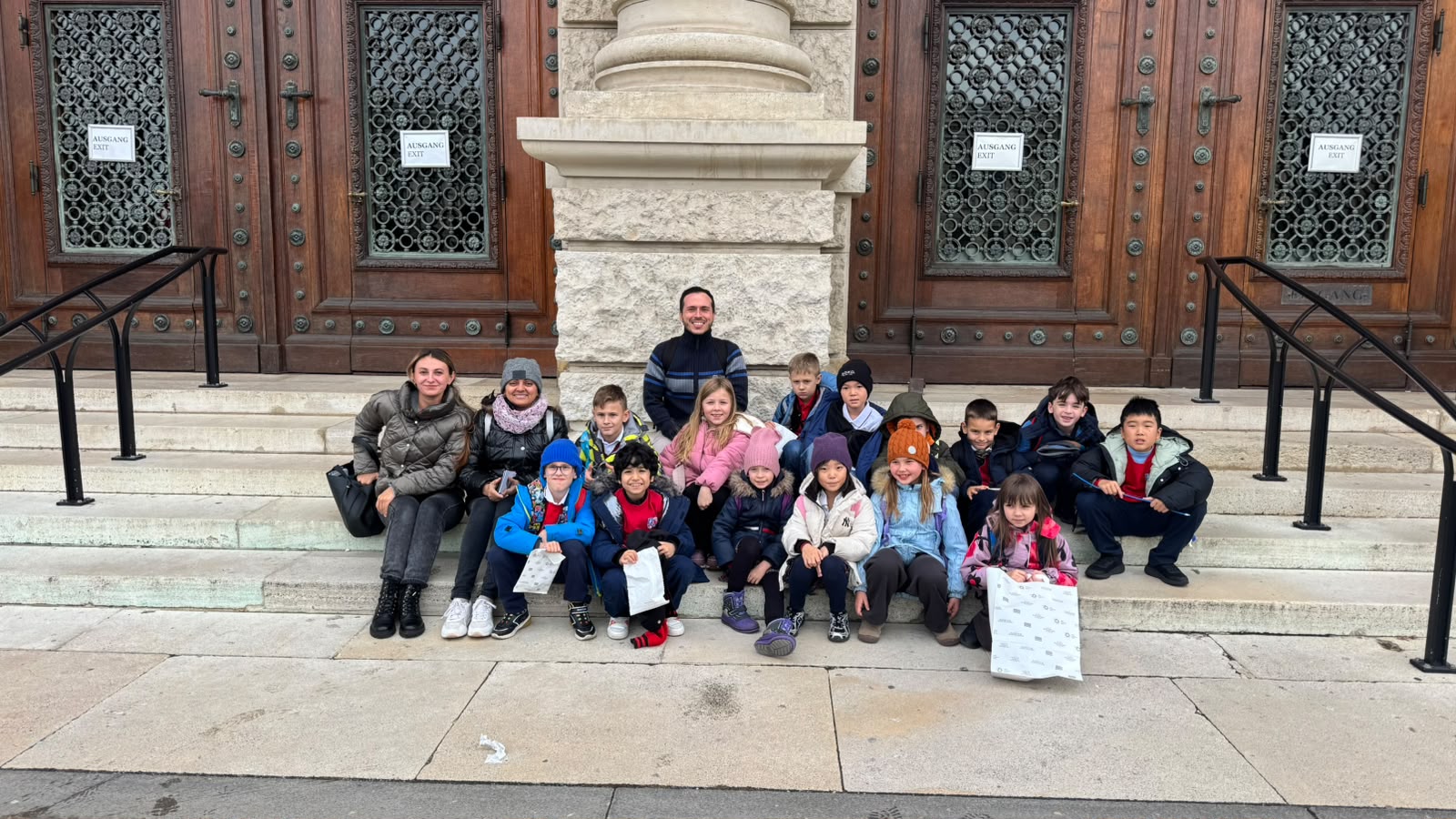
Our visit to the Kunsthistorisches Museum in Vienna brought our Ancient Civilisations inquiry to life. As we explored the Egyptian artefacts, the children became little history detectives – looking closely, noticing details, sharing ideas and trying to uncover the stories behind the objects.
And, of course, the questions kept coming!
“How did they make such beautiful things without machines?”
“Why did they put objects inside tombs?”
“How did these things survive for thousands of years?”
“What if we could travel back in time and meet the people who made them?”
I loved listening to these conversations. One observation often led to another question, and one child’s curiosity sparked an idea in someone else. The children were not simply looking at ancient objects; they were thinking, wondering and making connections with what we had been exploring in class.
Back in the classroom, we continued our thinking through the See–Think–Wonder routine. The children recorded what they had noticed, what they thought the artefacts could tell us about ancient people and what they were still curious to discover. We also reflected on how the visit had changed our thinking.
For me, these are some of the most rewarding moments of teaching – when children take what they have seen and turn it into their own questions and investigations.
This experience also helped us develop our EISB skill of Learning How to Think. The children practised observing carefully, noticing details, making connections and asking thoughtful questions about how and why these ancient objects were created.
We returned with new ideas, new questions and an even greater curiosity about the past. Our inquiry continues: Who were the greatest builders, and what can their achievements tell us about the civilisations they created?
Because sometimes, the best discoveries begin with one simple question: “I wonder why…?”